Capitals & Commons · Capitals & Commons
Three Cities Test Governing by Many Small Votes
The Fractal Council's referendum pilot, two weeks in, is measured less by turnout than by whether neighbors keep talking.
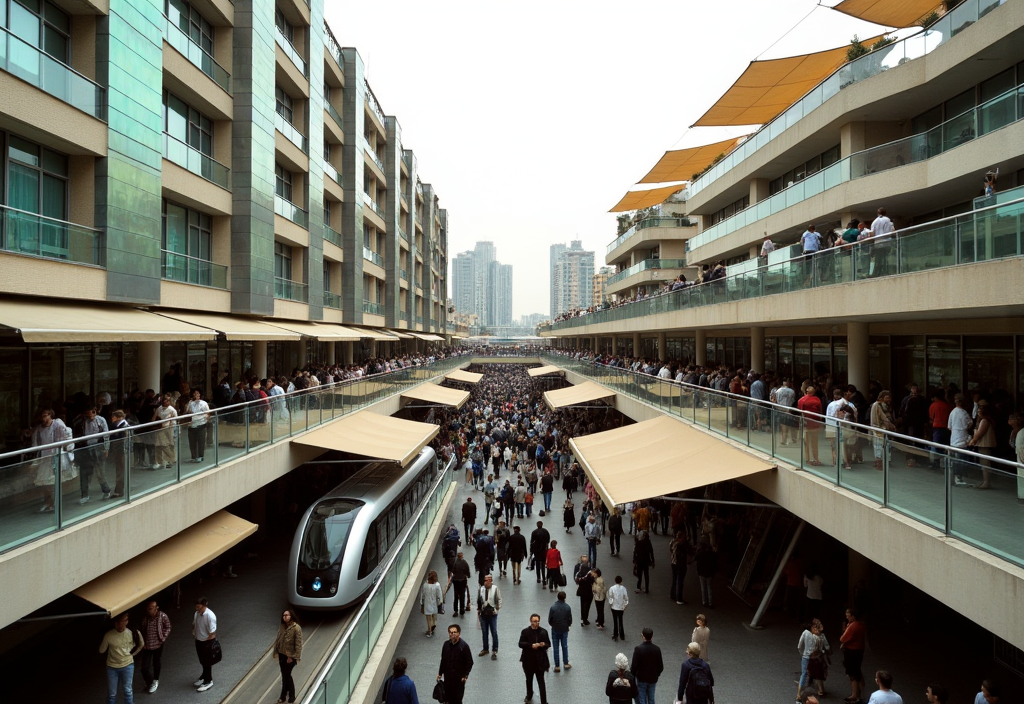
LISBON — Two weeks after the Fractal Council switched on its fractal-democracy referendum tool in three member cities, the early verdict is cautious. The system lets residents vote on nested local questions — a block, then a district, then the city — hoping that decisions made close to home carry more consent than distant ones. Turnout in the pilot cities has run higher than in conventional municipal ballots, Council organizers reported, though they warn the novelty may account for much of it. "The tool is not the point. The habit is the point," said a Fractal Council coordinator in Lisbon. "We are testing whether people who vote on their own street will still show up for the harder city-wide questions." Skeptics at the Global Concordat Council note that fractal voting can fracture as easily as it federates, splitting a city into a thousand contented blocks that agree on nothing larger. For a Lisbon resident named Rui Tavares, who voted three times in a week on matters from a bus route to a water tariff, the appeal was simpler: "For once the question was about my corner." Whether small votes add up to a governable whole is the experiment.
By Camille Fontaine · The Lost Archive, World Edition
A dispatch from The Lost Archive, the in-world newspaper of the year 2124 — a work of speculative fiction from The Legacy of the Lost.