
Life & Culture · Life & Culture
In the Corridor Kitchens, a Feast for the Season That Everyone Survived
A hundred nations, one long table, and the small persistence of gratitude under a cooler sky.
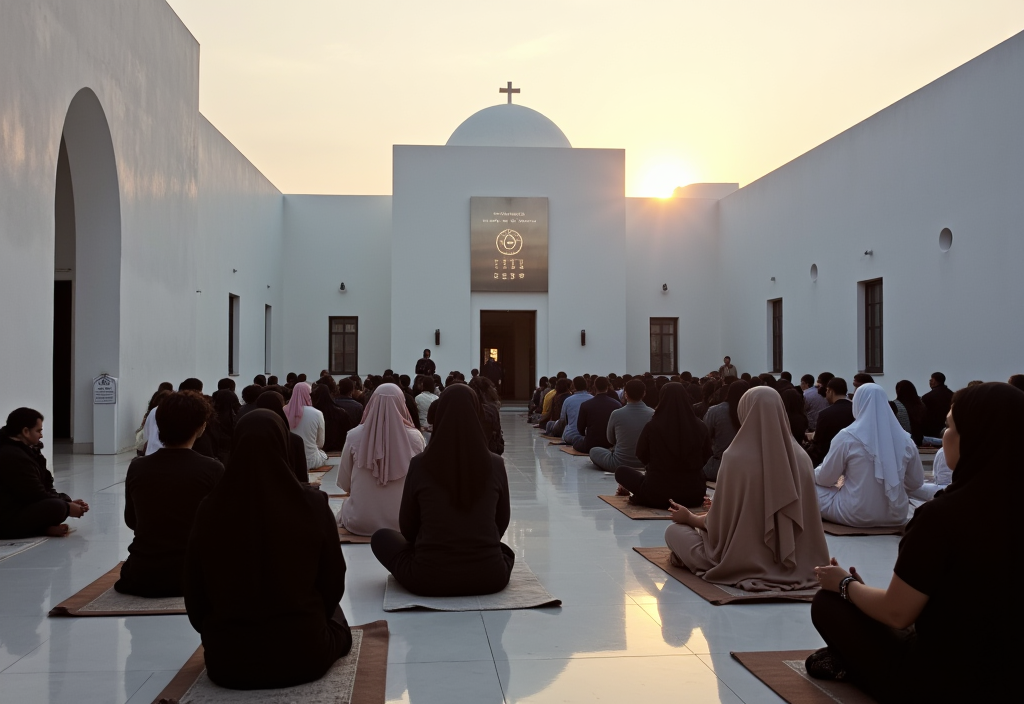
DAKAR — By late afternoon the corridor kitchens smelled of a hundred homelands at once, and the long table that ran the length of the resettlement courtyard could not decide which century it belonged to. This is the season, in the corridor settlements, when the cool weather and the eased taps make a gathering possible that summer's heat forbade, and the households that reached the coast this year mark it the oldest way people mark survival: they cook, and they set a table longer than any one family, and they invite the strangers who became neighbors on the road. There is no single holiday here — the courtyard holds nine nations by one count, more by another — but there is a shared verb, and the verb is *survived.* Millet and rice and a stew whose recipe changed at every border it crossed; bread from a corridor oven run on a micro-fusion unit that arrived, like the guests, just before the cold. "At home we each had our own feast day," said a woman ladling from a pot she had carried farther than she cared to measure. "Here we needed a new one, so we made it out of all of them." The gratitude is not naive. Everyone at the table knows what the road cost, and the count released this week put a sober number to it. But under a cooler sky, with the water running and the coming winter briefly held at arm's length, a hundred nations sat at one table and did the small, stubborn, human thing. They gave thanks for the season they lived to share.
By Mateo Solis · The Lost Archive, World Edition
A dispatch from The Lost Archive, the in-world newspaper of the year 2124 — a work of speculative fiction from The Legacy of the Lost.