World · World
The Corridor Ledger, Handspan by Handspan, as the Taps Ease for Winter
A season measured exactly as it flowed: relief that is real, uneven, and honest about how thin its margin ran.
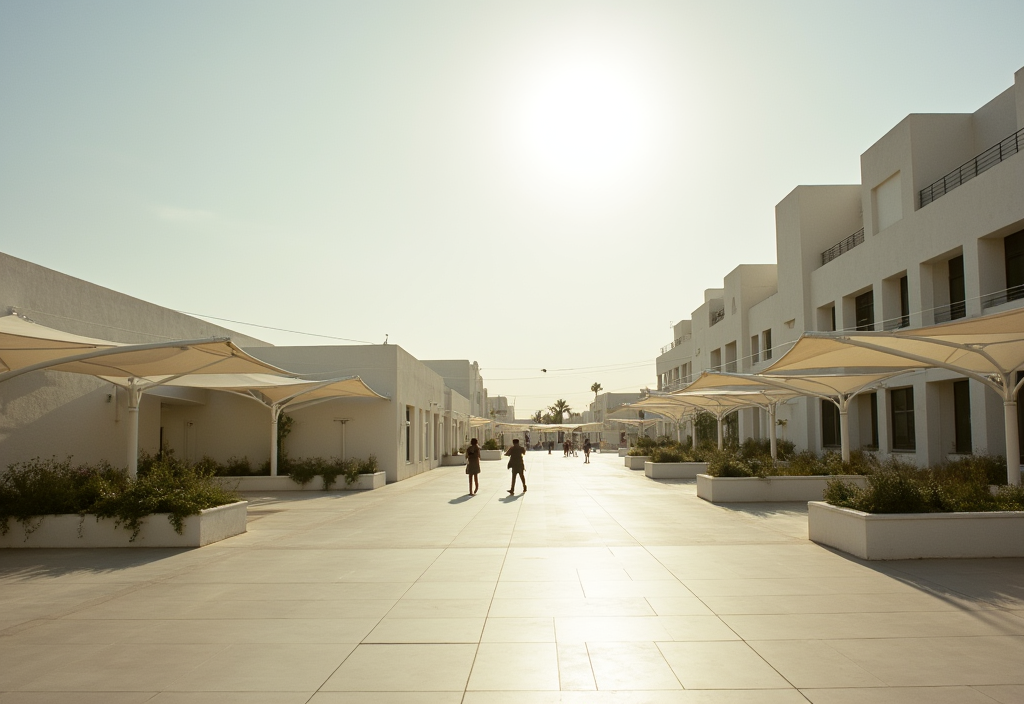
ORIHUELA — Keep a ledger of a season by the handspan and you learn things a headline cannot hold. Here, at the tail of the Mediterranean water corridor, the town keeps exactly such a book: a wall of chalked marks in the pump house, one for every day the taps ran full, a half-mark for the days they ran on schedule, a blank for the days they did not. Read top to bottom, the wall is the truest account of the corridor's autumn — relief that is real, unevenly shared, and honest to the millimeter about how thin its margin ran. The full-mark days outnumber the blanks now, which they did not a year ago; the desalination trains built with Castellan Capital money and run by Tethys Hydrous Group did what the engineers swore they would. But the ledger also records the strain: eleven days this quarter when a single transfer pump carried the whole town, three when the tariff nearly outran the wages it was drawn against, one when the reserve tank fell to a level the pump-house keeper marked in red and would not explain to the children. "People want me to say we are safe now," said the keeper, Rosalía Vega, running a thumb down the chalk. "I say we are supplied. Those are different words, and this wall knows the difference." As the cool season eases the taps and thins the queues, Orihuela is not celebrating. It is counting — handspan by handspan — and letting the count stand for a gratitude too careful to cheer.
By Halvard Nkemelu · The Lost Archive, World Edition
A dispatch from The Lost Archive, the in-world newspaper of the year 2124 — a work of speculative fiction from The Legacy of the Lost.