The Long View · The Long View
How We Got a Grid That Argues With Itself
Before Aurora and Kronos drew rival maps of the century, the century drew a grid that had to be argued over.
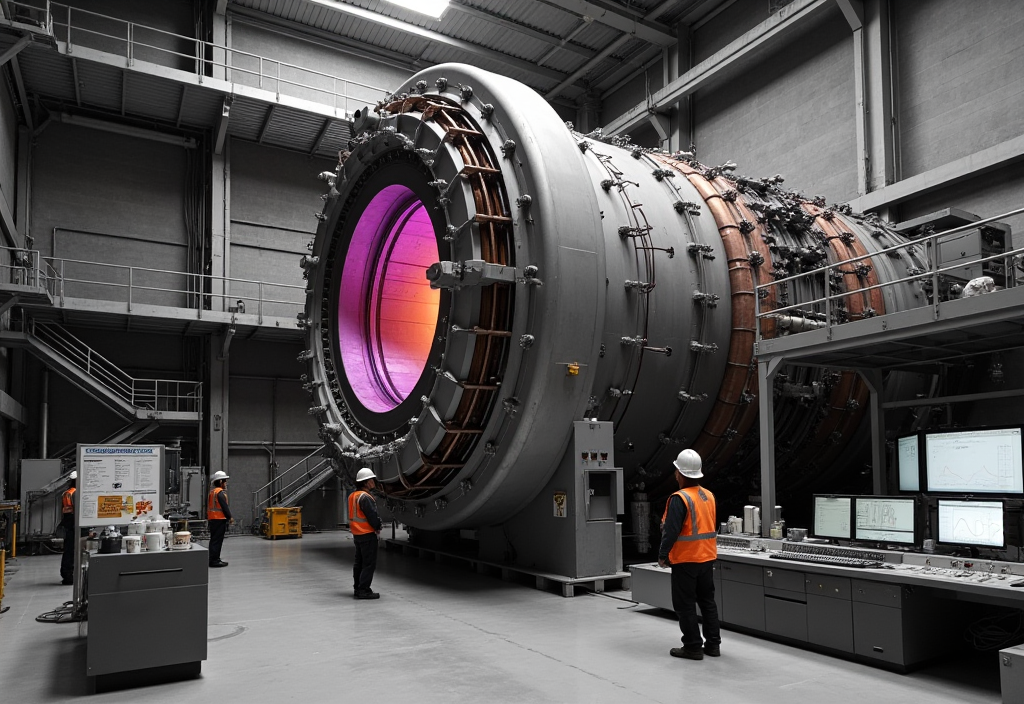
The dispute two energy giants aired in Oslo this Saturday — dispersal against concentration, mesh against backbone — sounds new, and it is not. It is the oldest argument electricity has, wearing this decade's clothes. When the reconnected grid first crossed thirty percent fusion, planners faced the same fork the twentieth century faced with coal and the twenty-first faced with sun: do you build many small sources or few large ones, and who bears the risk of each. What changed by 2124 is only the stakes. A grid that now carries a warming world's hospitals and desalination and corridor pumps cannot treat the choice as an engineering preference; it is a question of who goes dark first when something fails. History's lesson is unromantic. Every generation believes its grid debate is the final one, and every generation is wrong — the argument does not resolve, it migrates, from coal to atom to fusion mesh. That a grid argues with itself is not its weakness. It is, I would submit, the only sign we have that it is still being built by people who expect to answer for it.
By Dr. Nadia Brunstein · The Lost Archive, World Edition
A dispatch from The Lost Archive, the in-world newspaper of the year 2124 — a work of speculative fiction from The Legacy of the Lost.