World · World
Micro-Fusion in the Basement: The Quiet Democratizer Arrives Ahead of Winter
Home reactors small enough for a single building are spreading faster than the towns that pioneered them expected.
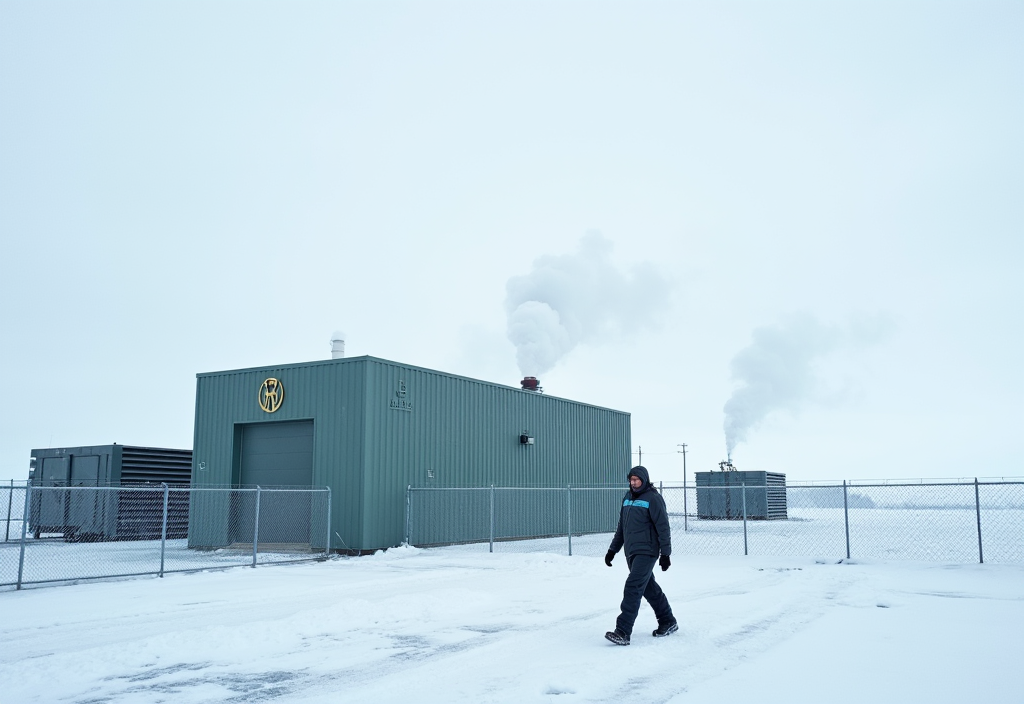
TROMSØ — The reactor that heats the Nordlys housing cooperative is smaller than the boiler it replaced and quieter than the wind off the fjord, and until you are told what it is you would walk past it in the utility room without a second glance. This far north, where the sun has already begun its long autumn retreat, that unremarkable box is the difference between a warm building and a rationed one. Compact fusion units — licensed offshoots of the same technology that now carries close to a third of the global grid — have crossed a threshold this year: cheap enough, safe enough, and small enough that a single building can own its own baseload. Aurora Fusion Works, which builds the modular cores, says installations across the temperate north have roughly tripled since spring, outrunning even its own forecasts. "We expected pilots. We got a movement," said chief executive Emeka Okonkwo, who is careful to frame the surge as a supplement to the grid, not a secession from it. The appeal is obvious to anyone who queued for power in August: a building that makes its own heat does not brown out. Yet the spread raises quiet questions of its own — of who inspects a reactor in a basement, of who is left on the shared grid when the wealthy blocks unplug. For now, in Tromsø, the cooperative is simply warm, and grateful, and unbothered by the arithmetic that will find them by December.
By Priya Anand · The Lost Archive, World Edition
A dispatch from The Lost Archive, the in-world newspaper of the year 2124 — a work of speculative fiction from The Legacy of the Lost.