Grid & Fusion · Grid & Fusion
The Micro-Fusion Towns That Rode Out the Summer Without a Brownout
A post-mortem of the peak finds the smallest grids were the steadiest — a lesson banked before winter.
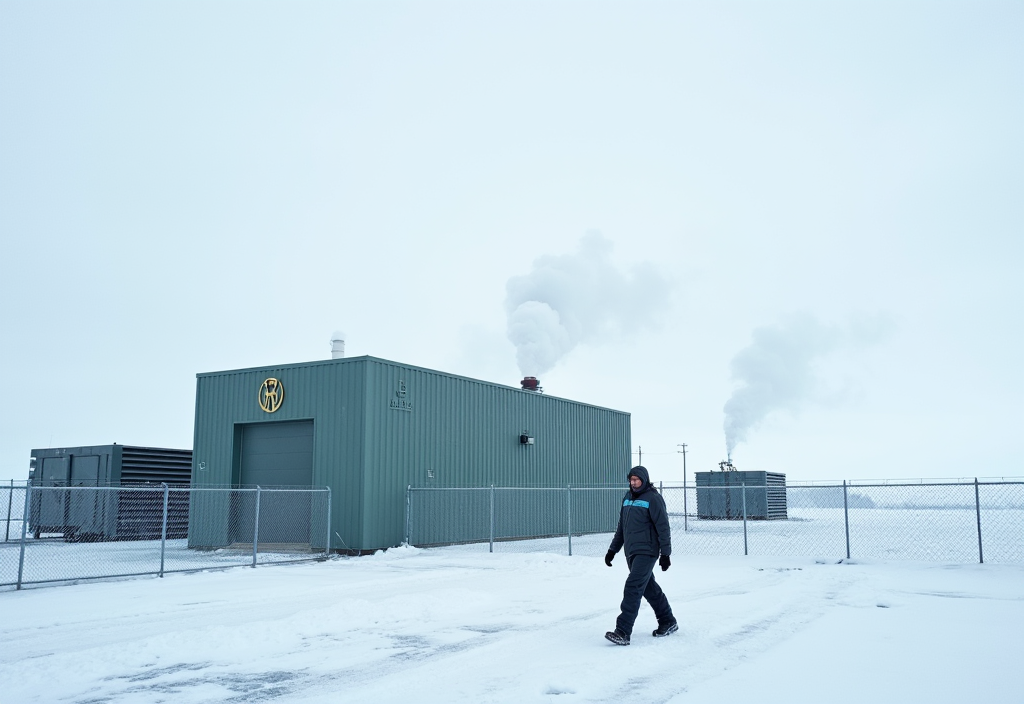
The engineers who spent the summer terrified of the big interlinked grids have spent this autumn quietly studying the small ones that never flinched. A Concordat-commissioned post-mortem of the peak-load weeks, circulated this week, reached a conclusion that flatters no one who built large: the towns running their own micro-fusion units — self-contained, locally balanced, answerable to a load they could see out the window — rode through the worst of the cooling season without a single brownout, while the continental networks they were too small to join sweated at their margins. The reason is unglamorous. A small grid fails small and recovers fast; it has no thousand-kilometer fault to chase. The finding will not undo the case for the big interlinks, which move fusion from where it is made to where it is needed at a scale no town can match. But it banks a lesson before winter: resilience and scale are not the same virtue, and the century that bet everything on the second may have undervalued the first. "The small grids were boring all summer," one author wrote. "Boring is what we were praying for."
By Priya Anand · The Lost Archive, World Edition
A dispatch from The Lost Archive, the in-world newspaper of the year 2124 — a work of speculative fiction from The Legacy of the Lost.