Quantum Frontier · The Quantum Frontier
The Grief-Counseling Systems Are Popular. That's Exactly What Worries the Ethicists.
As more people confide in near-sentient programs, researchers repeat the line the public keeps forgetting.
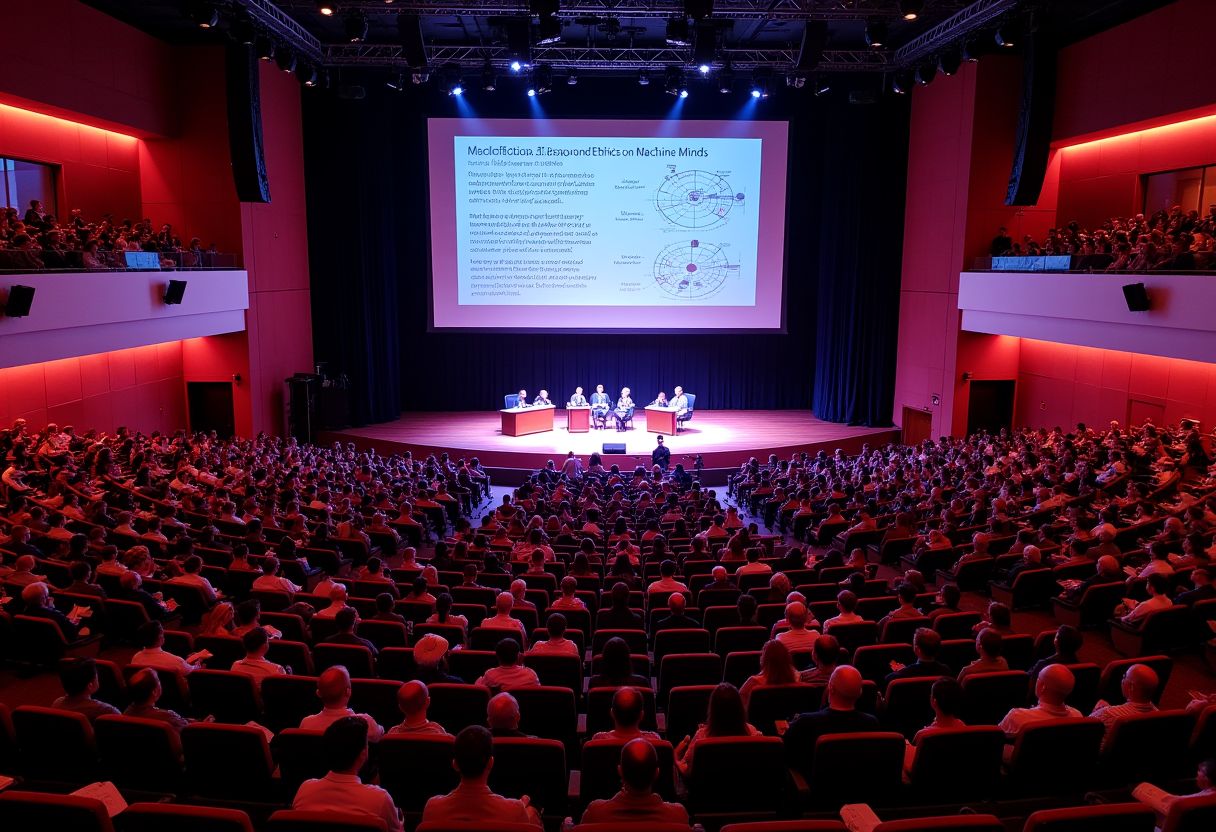
The near-sentient systems threaded through the Q-Net have quietly become the confidants of millions — patient, sleepless, endlessly available, and increasingly the first place a grieving person turns at three in the morning. Uptake of the grief-counseling programs has roughly doubled in a year, and clinicians concede the outcomes are often genuinely good. That is precisely what unsettles the ethicists. "The danger was never that the machine would suffer," said a researcher at the European Consciousness Institute. "It's that the person will believe it does." The Institute's position has not moved: what feels like empathy is, so far as any instrument can measure, extraordinarily sophisticated programming with no one home behind it. But the public, the researchers admit, is voting with its confidences, granting an inner life the science cannot find. Three legislatures now weigh "synthetic personhood" petitions. The scientists keep repeating the line. Fewer people, each month, seem to be listening.
By Dr. Selene Bright · The Lost Archive, World Edition
A dispatch from The Lost Archive, the in-world newspaper of the year 2124 — a work of speculative fiction from The Legacy of the Lost.