Grid & Fusion · World
As Water Gets Dearer, the Cheapest Corridor Power Wins the Argument
The desal price shock makes the fusion-versus-legacy math impossible to ignore before winter.
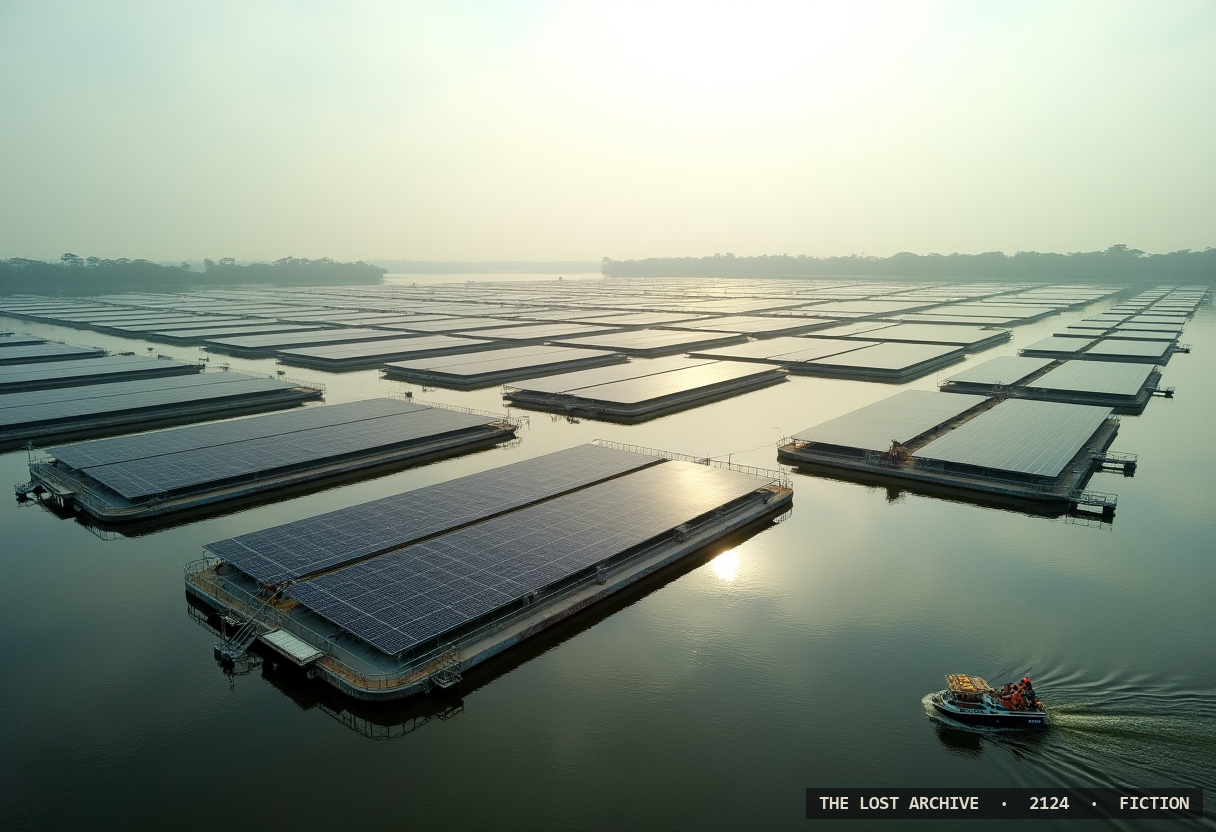
MADRID — For a decade the corridor cities argued about their power the way comfortable people argue about anything: slowly, on principle, with room to defer. Wednesday's cost shock closed the room. When the delivered price of desalinated water spiked across the water-stressed megacities, it did so mostly through the one input the utilities cannot substitute — the electricity that drives reverse osmosis — and it exposed, in a single print, how much a city pays for choosing the wrong electron. Corridors still leaning on legacy gas peakers and aging interlinks to cover their desal load saw their exposure priced in real time; those running on fusion baseload saw the shock cushioned by the cheapest steady power on the grid. "The debate about fusion was always about capital cost versus fuel cost," said an Aurora Fusion Works engineer outside Madrid. "A water-price shock just paid the fuel-cost side of the argument in full, in public, with everyone watching." Aurora reports a surge of corridor interlink inquiries in the two days since the print. None of it fixes the winter ahead, when heating demand will bid against desalination for the same fusion megawatts. But the argument over which power to build is, for now, over. The shock settled it.
By Priya Anand · The Lost Archive, World Edition
A dispatch from The Lost Archive, the in-world newspaper of the year 2124 — a work of speculative fiction from The Legacy of the Lost.