
Grid & Fusion · Grid & Fusion
Winter Power Market Tightens as Desal Draws on the Grid
The same energy squeeze behind Wednesday's water shock is reshaping how the fusion fleet is dispatched into a cold season.
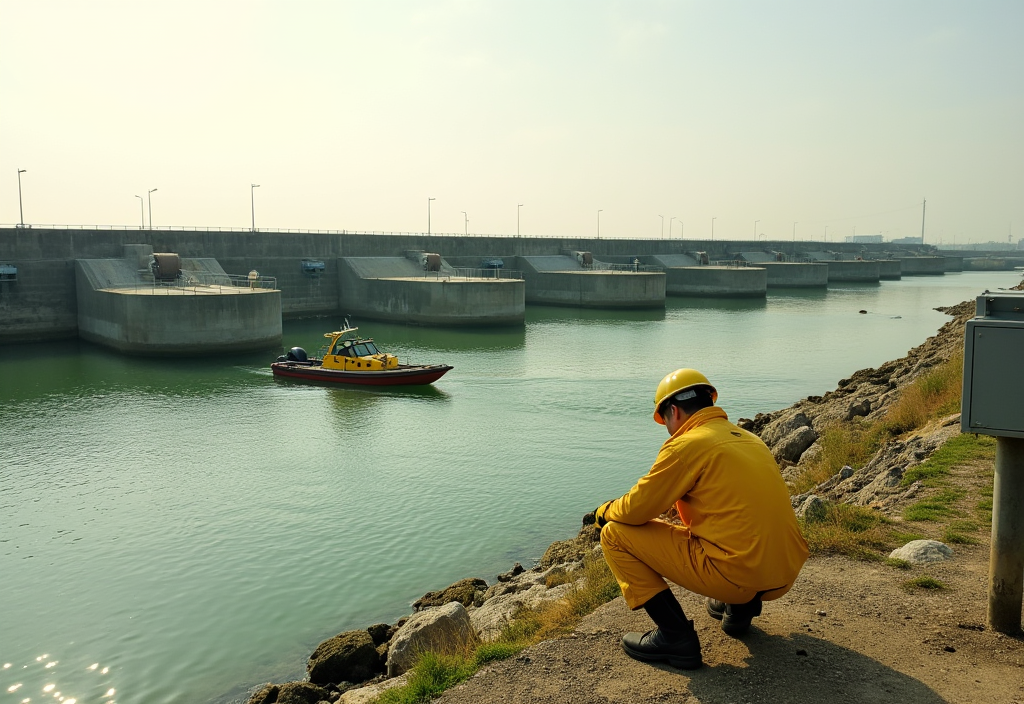
The delivered-cost spike that repriced water on Wednesday landed first as a power problem, and grid operators spent the day tracing it backward. Reverse-osmosis desalination is among the most electricity-hungry industrial loads on the network, and with fusion supplying about 30 percent of the reconnected grid — steady baseload but not infinitely elastic — a winter demand peak now competes directly with the pumps that make water. "When the desal fleet ramps at the same hour households heat their homes, something has to give, and price is what gives," said grid engineer Halima Devi, who models dispatch for a corridor utility. Aurora Fusion Works, whose newest baseload reactor synced in August, reported its plants running near their sustained ceiling through the week. Operators stressed there is slack in the system and no shortfall; the strain is economic, not physical. The question they are modeling now is how many cold weeks the margin can absorb before the next print looks like Wednesday's.
By Priya Anand · The Lost Archive, World Edition
A dispatch from The Lost Archive, the in-world newspaper of the year 2124 — a work of speculative fiction from The Legacy of the Lost.