The Long View · The Long View
How We Got Here: The Century That Learned to Meter the Sky
The corridor's climbing water bill is the newest chapter in a two-hundred-year argument about what a person is owed.
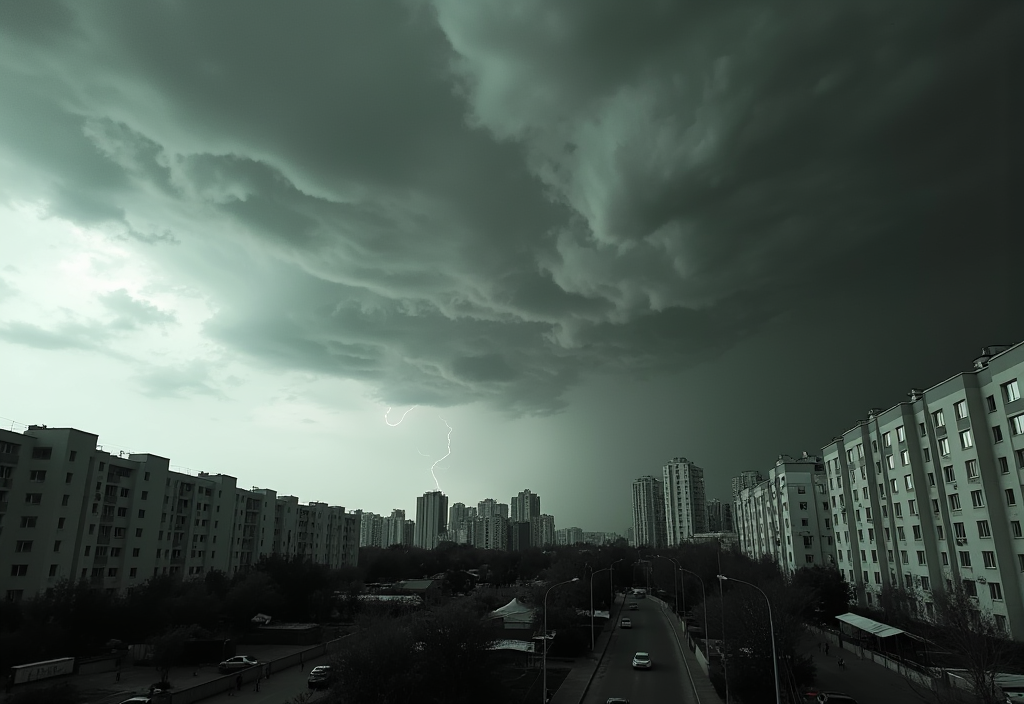
The scene on the Makran corridor this month — a mother reconciling a meter against a notebook, a legislature moved by a price — would have been legible to a reader in 1924 and unimaginable in its scale. For most of the industrial era, fresh water was treated as a commons that markets merely delivered; the twentieth century's great water works were built on the assumption of abundance. What changed, across the long arc to a world of twelve billion at +2.8 degrees, was not the physics of thirst but the arithmetic of supply: when the sky grew unreliable, societies reached for the sea, and desalination turned water into a manufactured good with an energy bill attached. Every manufactured good gets metered, and everything metered gets priced, and everything priced eventually divides those who can pay from those who cannot. The corridor is not living through an aberration. It is living through the predictable maturity of a choice the century made when it decided that water, like power, would be something we make rather than something we find.
By Dr. Nadia Brunstein · The Lost Archive, World Edition
A dispatch from The Lost Archive, the in-world newspaper of the year 2124 — a work of speculative fiction from The Legacy of the Lost.