
Life & Culture · Life & Culture
In the Corridor's Kitchens, Thrift Becomes a Shared Language
As water costs climb, Makran households are trading the old economies of scarcity the way earlier generations traded recipes.
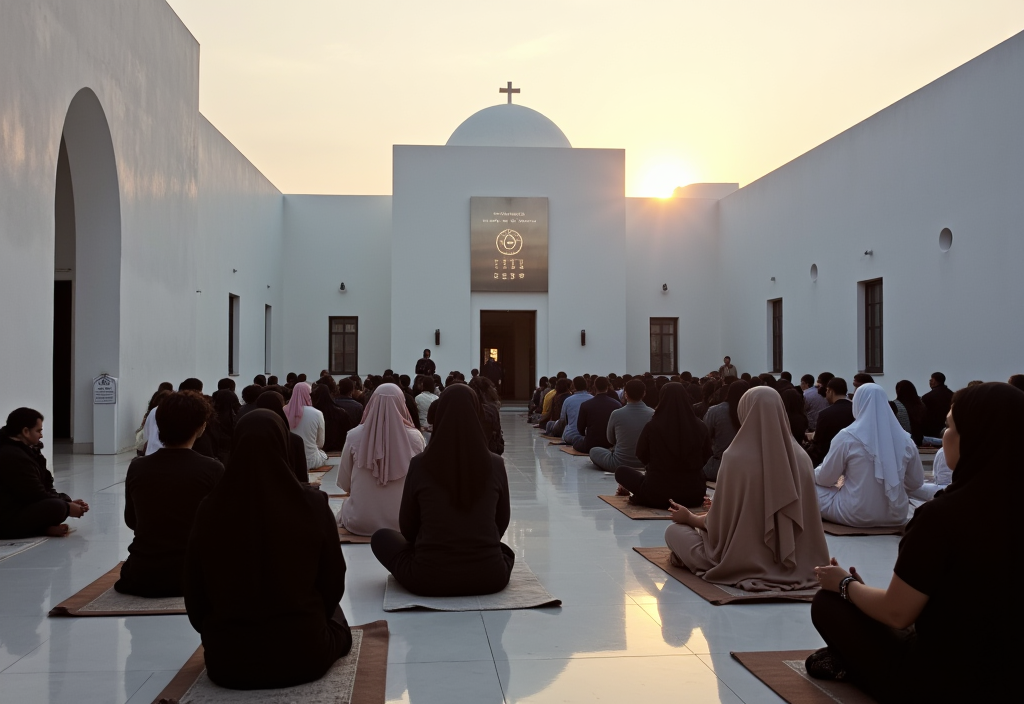
MAKRAN CORRIDOR — In the courtyard where the Bhatti household shares a wall with four others, the week's most-traded commodity has not been water but the knowledge of how to use less of it. Younger neighbors film older ones — the reused rinse water, the dampened cloth that replaces a running tap, the single kettle that serves a whole meal's cleaning — and pass the clips hand to hand across the corridor, said Rashida Bhatti, who has become, without meaning to, a small local authority. "My grandmother did all this in a drier village," she said. "I thought I had forgotten. I had only put it down." Relief workers with Passage Trust say the cultural revival is real and double-edged: it stretches every liter, and it also quietly normalizes a scarcity that should not be anyone's inheritance. What the corridor is rediscovering is not new; it is the deep memory of people who have always lived at the edge of enough. This month, under a climbing bill, that memory has become the corridor's most fluent second language.
By Mateo Solis · The Lost Archive, World Edition
A dispatch from The Lost Archive, the in-world newspaper of the year 2124 — a work of speculative fiction from The Legacy of the Lost.