The Enhanced · The Enhanced
Augmentation Reaches the Clinic Waiting Room, Not the Waiting List
Five percent of humanity is augmented; the newest patients are asking who pays.
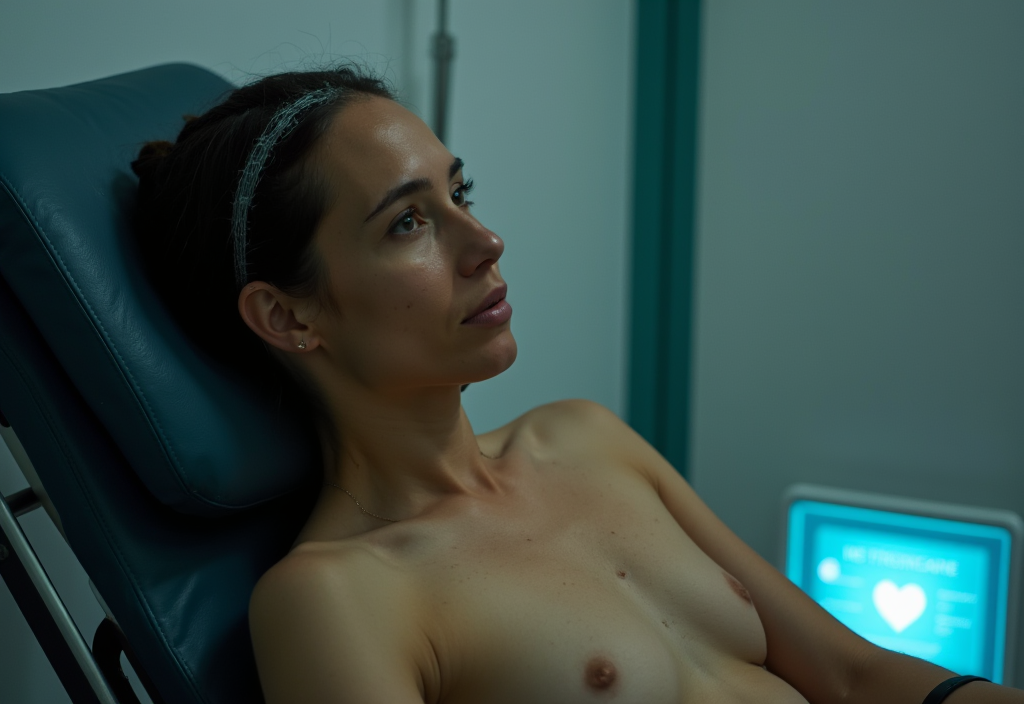
LAGOS — At a public augmentation clinic in Lagos, the queue is longer than the budget, and the gap has become its own quiet story. Roughly one in twenty people worldwide now carries some neural or somatic augmentation, but adoption skews sharply by income, and community clinics say demand from working families has outrun subsidized slots. Somaform Augmetics' most-requested neural interface remains under an open, contested safety review that regulators have not closed, so counselors here spend as much time managing expectations as scheduling procedures. "People come in asking for the implant their cousin abroad has," said clinic coordinator Blessing Achebe-Oduya, who fields the same conversation daily. "I have to explain the review isn't finished, and neither is the funding." Dr. Naomi Eze, reviewing the sector, notes that the augmentation debate roiling politics elsewhere lands differently in a waiting room: the question is less whether enhancement should be permitted than whether it will ever be affordable. For the family at the front of the Lagos queue, the safety review and the price list are the same obstacle wearing two faces.
By Dr. Naomi Eze · The Lost Archive, World Edition
A dispatch from The Lost Archive, the in-world newspaper of the year 2124 — a work of speculative fiction from The Legacy of the Lost.