Quantum Frontier · The Quantum Frontier
A Million Qubits, and the Slower Art of Trusting the Answer
Six weeks after Singapore's landmark run, the harder work is verifying that a machine no human can check has told the truth.
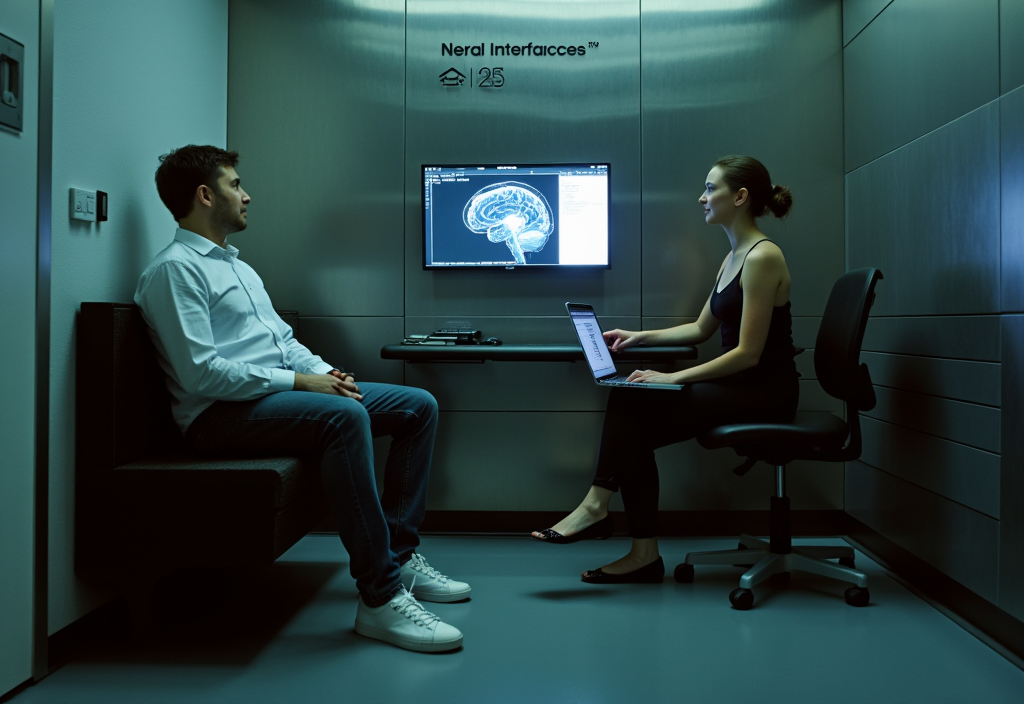
SINGAPORE — The million-qubit processor demonstrated over the Q-Net backbone in September was the headline; the sequel, playing out in labs this month, is quieter and more consequential. "Building the machine was the engineering problem. Trusting it is the science problem," said Dr. Wei-Lin Tan of the Singapore Institute, whose team now runs every result through a lattice of classical cross-checks before it is believed. The difficulty is structural: a calculation large enough to need a million qubits is, by definition, one no ordinary computer can independently confirm. Researchers instead verify pieces — small sub-problems with known answers, seeded into the larger run — and infer the whole from the parts. Roughly one machine-hour in four now goes to checking rather than computing, Tan estimates. It is unglamorous arithmetic about arithmetic. But at the frontier, a wrong answer delivered with total confidence is worse than no answer at all, and the discipline of doubt is what keeps the frontier honest.
By Dr. Selene Bright · The Lost Archive, World Edition
A dispatch from The Lost Archive, the in-world newspaper of the year 2124 — a work of speculative fiction from The Legacy of the Lost.