Waterline · World
In the Cooling Sahel, the Corridor's First Season Nears Its Ledger
As the worst heat lifts, the question is no longer whether water came but at what standing cost it stays.
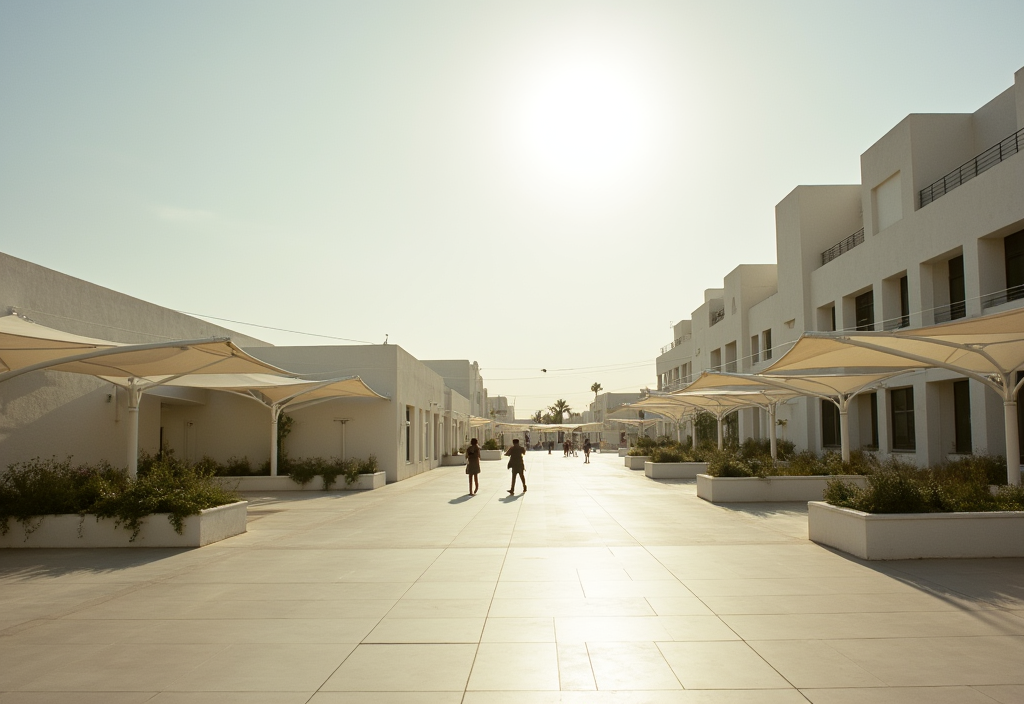
AGADEZ — The thermometer broke first, and now the accounting begins. With the season's worst heat finally lifting off the Sahel, the corridor that kept its share of a hundred and twenty million registered migrants watered through it is entering the part no one built a ribbon-cutting for: the standing cost of keeping the taps on after the emergency that justified them has passed. The desal skids do not switch off with the temperature. The micro-fusion units keep drawing their leases. The registration ledger keeps swelling — the national count climbed past a hundred and twenty million this month — and every name on it is now a household that has learned to expect water from a system provisioned for a crisis, not a decade. "In July the question was whether the water would arrive," said Hearth Relief logistics chief Owen Mbeki, walking the same lane that was raw earth in spring. "In October the question is who pays to keep it arriving, forever, now that everyone here depends on it." The corridor did what it was built to do. It also built a dependency that will outlast every season that follows — a first-season ledger whose largest entry is not what water cost to bring, but what it will cost never to stop.
By Halvard Nkemelu · The Lost Archive, World Edition
A dispatch from The Lost Archive, the in-world newspaper of the year 2124 — a work of speculative fiction from The Legacy of the Lost.