The Long View · The Long View
How a Warm Autumn Became a Thing We Grieve
A century ago the season's last warmth was ordinary; tracing how it turned into an occasion tells us where we are.
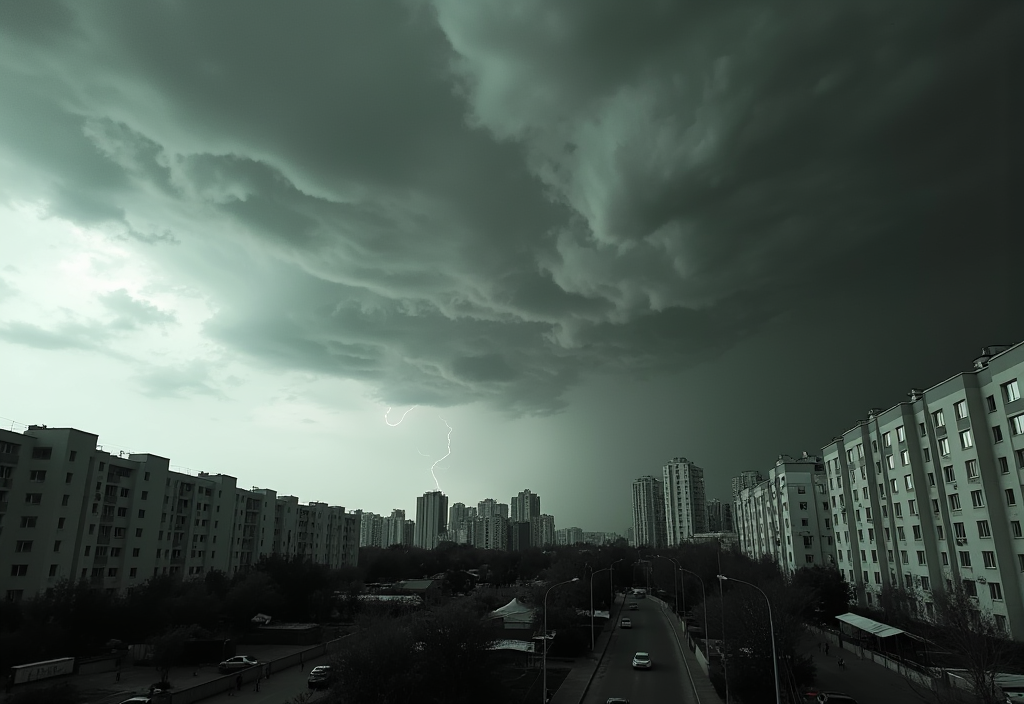
There is a phrase in this week's festival reports — eating in the light while the light was there — that would have puzzled a diner of a hundred years ago, for whom a mild October was simply October. To understand how the last warm week of the year became something a whole hemisphere marks, look at the slow arithmetic between then and now. A +2.8°C mean anomaly does not read as warmth in the lived calendar; it reads as unreliability — frosts on no schedule, harvests out of order, a good afternoon that can no longer be counted on to have a successor. Scarcity, not heat, is what turns a season into a ceremony. The generations now sharing those trestle tables in Lyon and along the Danube are performing something their grandparents never needed to: the deliberate savoring of the ordinary, because the ordinary stopped being guaranteed. That is the quiet historical fact under the string lights. We did not learn to love the warm evenings more. We learned we could lose them.
By Dr. Nadia Brunstein · The Lost Archive, World Edition
A dispatch from The Lost Archive, the in-world newspaper of the year 2124 — a work of speculative fiction from The Legacy of the Lost.