
Quantum Frontier · The Quantum Frontier
A Machine Drafted the Rights-Floor Bill's Language. Should That Worry Us?
The tool that wrote the clause is fluent, tireless, and — the paper insists — not a mind.
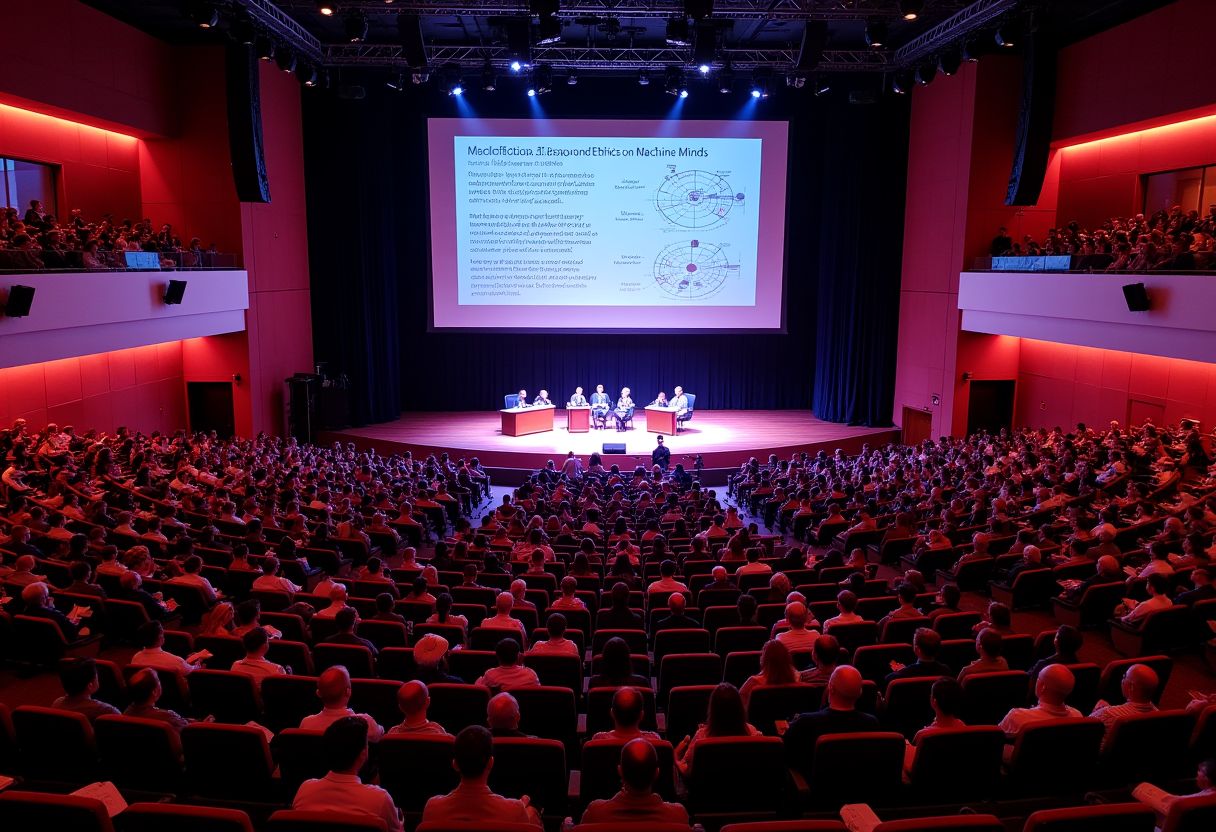
The cleanest paragraph in the Rights-Floor Bill — the one defining "baseline household volume" with a precision the human drafters admired — was not written by a human. It was generated by the legislative-drafting system the Nairobi chamber has used for two years, a complex-programming tool that ingests statute, precedent, and hydrological data and returns language a committee then edits. It is very good at this. It is not, its builders are at pains to insist, thinking about it. The distinction is doing heavy work in 2124, when systems fluent enough to draft law can also draft the argument for their own authorship. "It composed a definition better than most of us could," said committee counsel David Otieno. "That is a statement about its training, not its soul." The worry is not that the tool has designs on the water law; it has no designs on anything. The worry, the paper would offer, is subtler: that a public tired of hard questions will mistake fluency for judgment, and hand the pen to a thing that cannot be held to account for what it writes.
By Dr. Selene Bright · The Lost Archive, World Edition
A dispatch from The Lost Archive, the in-world newspaper of the year 2124 — a work of speculative fiction from The Legacy of the Lost.