
Waterline · World
Now That the Count Is Named, the Corridors Ask Whether They Can Hold It
With the heat easing, the pressure shifts from arrival to endurance across the Sahel and Makran routes.
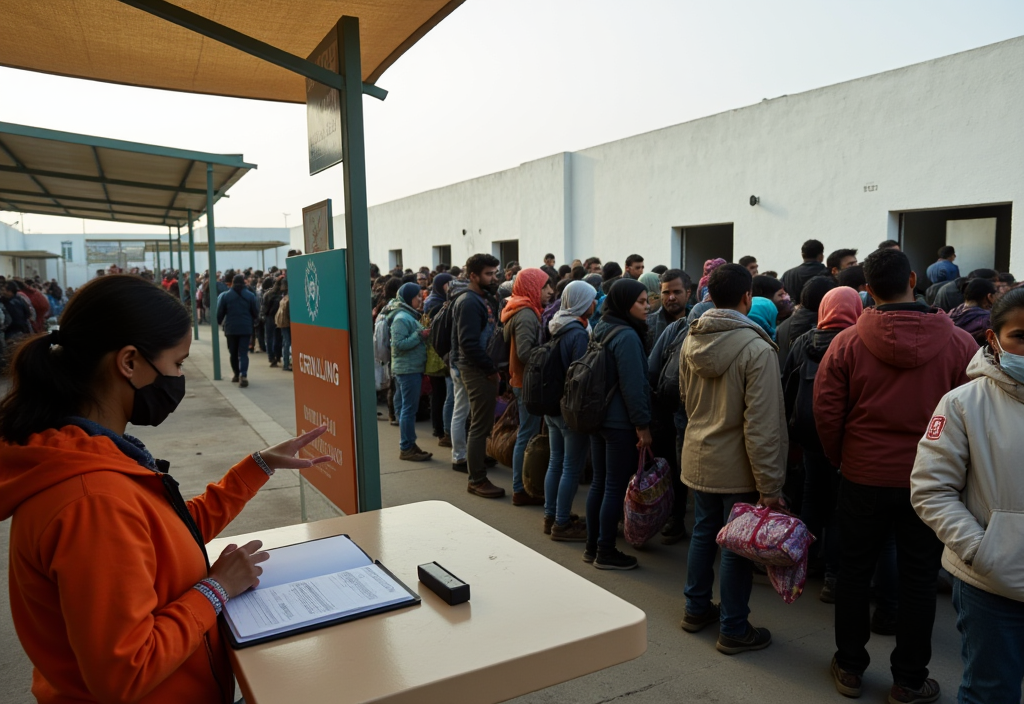
AGADEZ — For two years the corridors were built to catch people. Now, with the worst heat of the season lifting and the count climbing past 120 million in the record, the harder engineering begins: keeping them. The Sahel and Makran routes were provisioned as way-stations — a stamp, a tank of water, a night's shelter, and then movement onward. But onward has quietly stopped. There is nowhere less crowded to send anyone, and the villages behind them still have no wells. So the way-stations are becoming settlements by default, tents pressed into a permanence no one designed them for. "We built a corridor and we are running a city," said Hearth Relief logistics chief Owen Mbeki, standing where a transit camp has grown its own market street. The immediate crisis — bodies arriving faster than water could reach them — is passing with the temperature. The slow one is arriving in its place: more than 120 million people who came for a season and may now stay for a decade, in places built to hold them for a week.
By Halvard Nkemelu · The Lost Archive, World Edition
A dispatch from The Lost Archive, the in-world newspaper of the year 2124 — a work of speculative fiction from The Legacy of the Lost.