The Long View · The Long View
How We Learned to Move the Grid Instead of the People
The corridors that carry a hundred and twenty million are the end of a century-long argument about where power belongs.
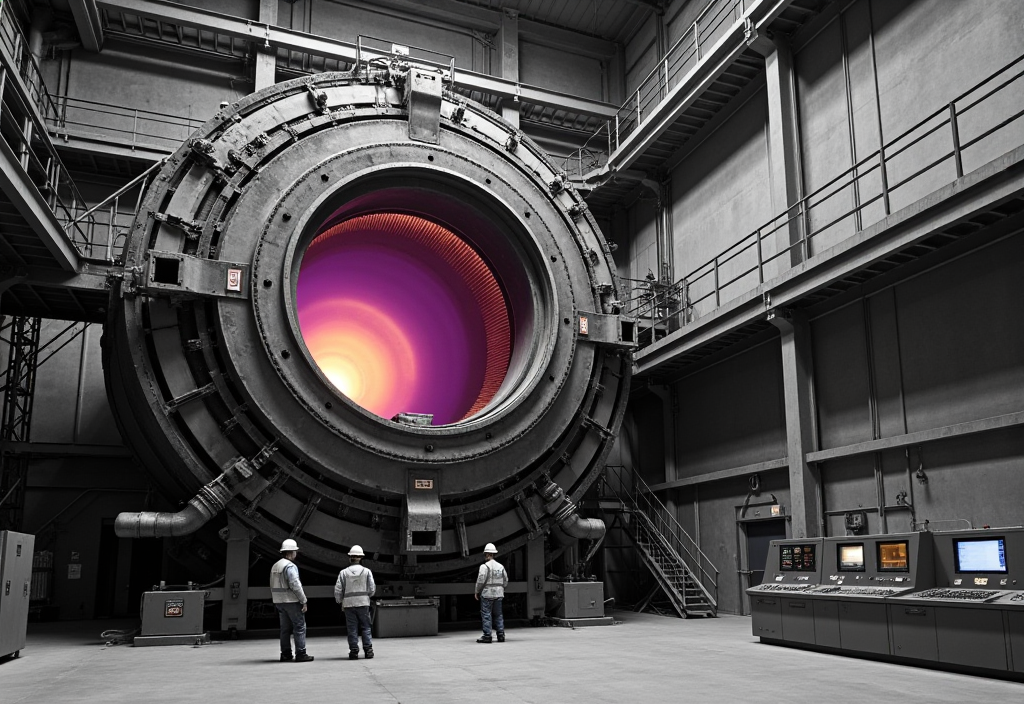
For most of the electric age, the deal was fixed: the power plant stayed put, and people arranged their lives around it. Cities grew where the grid was, and to leave the grid was to leave modern life. This week's camps on the Makran coast quietly invert that century-old bargain. The container-scale fusion units following the corridors — the ones Aurora Fusion Works leases to relief agencies — descend from a long lineage of attempts to make power portable, from the diesel generator to the solar suitcase. What changed is scale: for the first time, a mobile source can run a settlement of eighty thousand, not merely a field hospital. With fusion now near a third of the global grid, the marginal reactor is small enough to travel. Historians will note the irony. We spent a hundred years anchoring people to power; at +2.8°C, with a hundred and twenty million on the move, we finally taught the power to walk instead. The corridors are not a failure of settlement. They are its next form.
By Dr. Nadia Brunstein · The Lost Archive, World Edition
A dispatch from The Lost Archive, the in-world newspaper of the year 2124 — a work of speculative fiction from The Legacy of the Lost.