Grid & Fusion · World
Powering the Camps: How the Corridors Keep a Hundred and Twenty Million Charged
Micro-fusion units follow the migrants now, and the grid that moves with people is its own quiet engineering story.
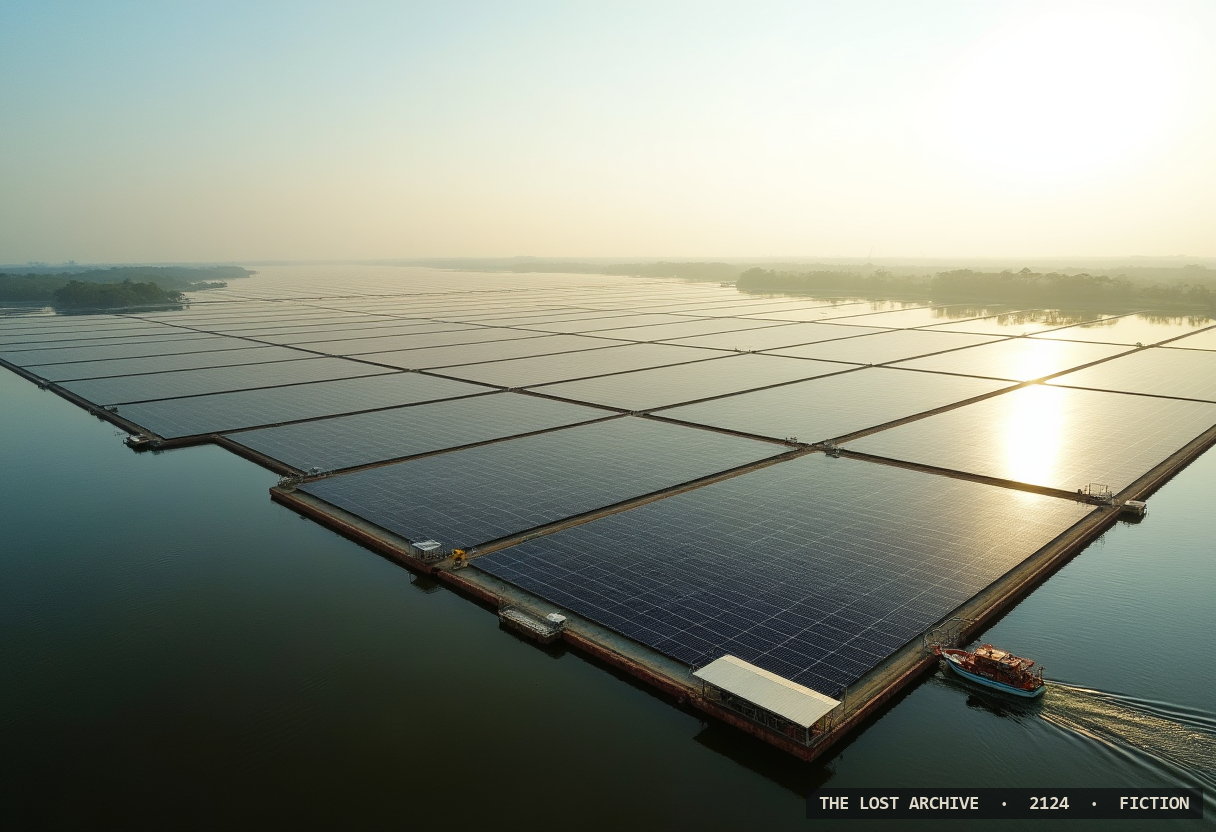
MAKRAN CORRIDOR — The reactor that powers a camp of eighty thousand fits on a flatbed truck, and there are forty of them strung along this stretch of coast. In the year since the corridor compacts began scaling with headcount, the harder problem has not been shelter or even water — it has been electricity that moves. A container-scale micro-fusion unit, the kind Aurora Fusion Works began leasing to relief agencies last spring, powers the desalination skids, the cold chain for vaccines, the chargers for the registration readers, and — increasingly — the phones through which more than a hundred and twenty million people stay tied to whatever they left. "A camp without power is a holding pen," said Aurora field engineer Nadia Belkacem, walking a line of humming units under tarps. "A camp with power is a place people can plan from." The units are not cheap, and the leases are a live fight in the Concordat's financing rows. But the engineering itself has quietly become routine: the grid, in 2124, has learned to walk beside the people it serves. Whether the money will keep walking with it is the open question.
By Priya Anand · The Lost Archive, World Edition
A dispatch from The Lost Archive, the in-world newspaper of the year 2124 — a work of speculative fiction from The Legacy of the Lost.