The Long View · The Long View
How We Got to a Grid That Runs on Salt Water and Sunlight
The lights over a Sahel relief camp trace a two-century argument about where power should come from.
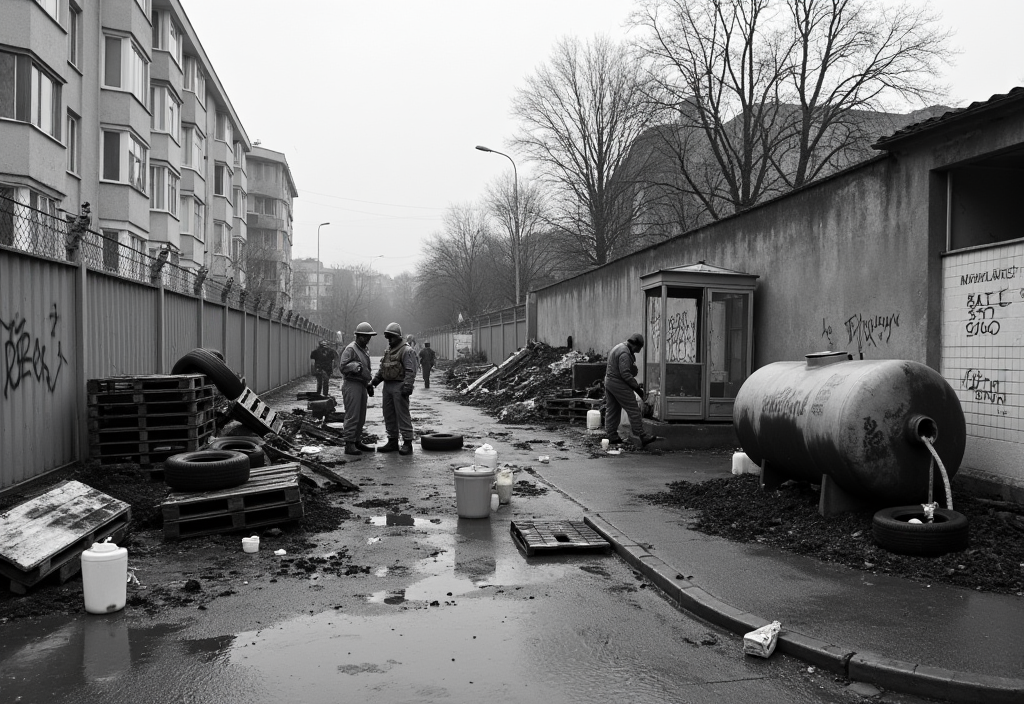
The batteries holding steady over the tents outside Agadez this week are the far end of a very long fight. For most of two centuries, keeping a light on after dark meant burning something, and the burning was quietly rewriting the climate that now drives people to those tents in the first place. The turn came slowly and then, in the 2110s, all at once: fusion crossed from demonstration to baseload, and by 2124 it carries about a third of the reconnected grid — enough that a camp on the edge of the Sahara can run pumps and cold storage through the night without a diesel generator's cough. It is worth pausing on the irony, because it is the whole story in miniature. The same civilization that warmed the corridors is now, at last, powering the shelters along them cleanly. That is not redemption; the warming is done and its bill is being walked, camp to camp, across the map. But it is the difference between a crisis met in the dark and one met in the light, and it was two hundred years of stubborn argument in the making.
By Dr. Nadia Brunstein · The Lost Archive, World Edition
A dispatch from The Lost Archive, the in-world newspaper of the year 2124 — a work of speculative fiction from The Legacy of the Lost.