Opinion · Op
The Meter Is Not the Enemy. The Silence Around It Is.
We built ledgers to move scarce water fairly; we forgot to let the thirsty read them.
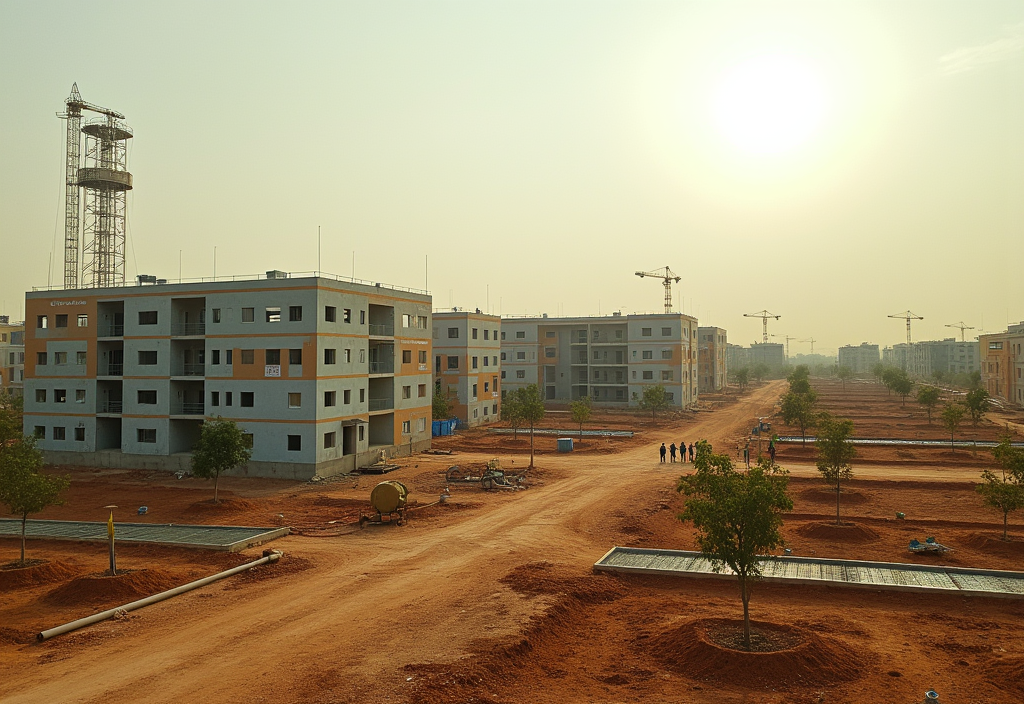
We have spent a decade learning to count water, and almost no time learning to explain the count. From the Sahel corridors to Jakarta's assembly floor, the same argument keeps surfacing: someone tallies who drinks, and the tallied are the last to know how. It is tempting to blame the ledger itself — to imagine that a world without meters would be freer. It would not. Without the count, scarce water goes to the loud, the armed, and the near. The meter is how eleven billion people share a shrinking resource without open war over the tap. The failure is not that we measure. The failure is that we measure in secret, in languages the counted cannot read, on terms they never set. Jakarta's council showed the cheaper fix this month: publish the ledger, in plain words, and let the metered audit the meter. That is not radical. It is the least a counting owes the counted. Transparency will not make water fall from a hotter sky. It will make the sharing of what remains a thing done to people, or with them — and that difference is the whole of the politics we have left.
By Yusuf Haddad · The Lost Archive, World Edition
A dispatch from The Lost Archive, the in-world newspaper of the year 2124 — a work of speculative fiction from The Legacy of the Lost.