
The Enhanced · The Enhanced
The Longevity Divide Reaches the Waiting Room
As enhanced patients age differently, ordinary clinics are quietly rewriting how they triage a hundred-year life.
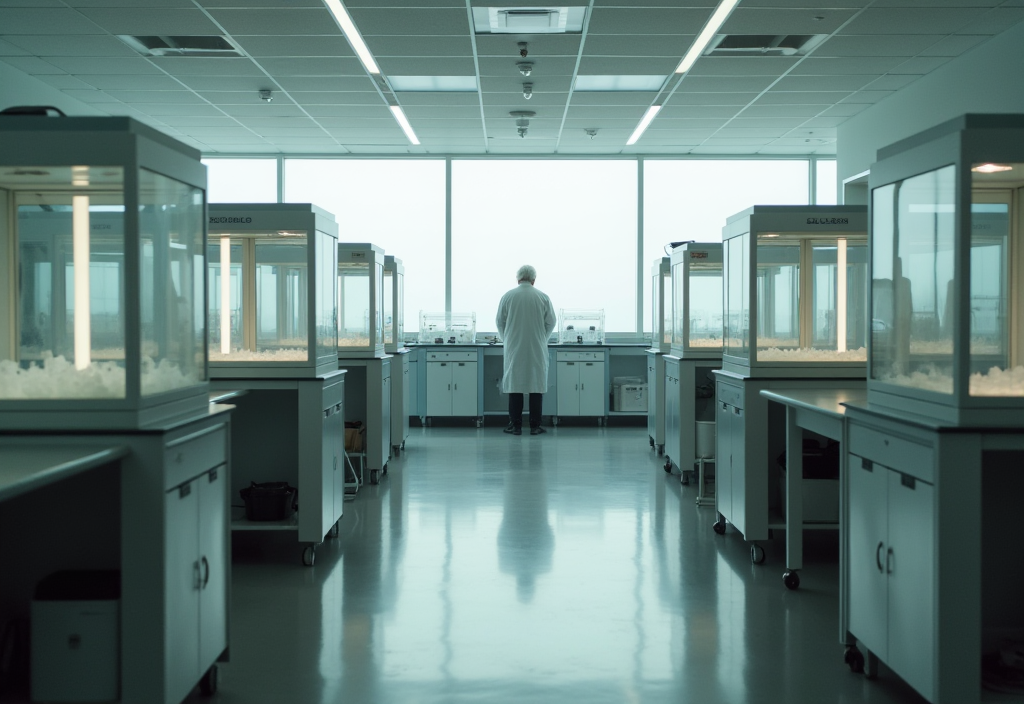
LISBON — The augmentation debate lives in legislatures and campaign rallies, but its most concrete argument this autumn is happening in a place with worse lighting: the ordinary clinic waiting room. Enhanced patients age differently — somatic augmentation has pushed healthy life past a hundred for those who can afford it — and general clinics that were built around a familiar arc of human decline are quietly rewriting their own protocols to cope. A ninety-year-old with a neural lattice and cellular-repair augmetics presents nothing like a ninety-year-old without, and a triage nurse now has to know which is sitting in front of her. "We were trained on one aging curve," said Dr. Naomi Eze, who studies how community clinics are adapting. "Now there are two, running in the same waiting room, and the enhanced one is longer and steeper at the end in ways our textbooks never described." The divide is not only about who lives longer. It is about a health system built for one kind of hundred-year life now serving two, unequally, on the same afternoon. The enhanced wait beside the natural. The clinic, underfunded and improvising, tries to hold a standard of care across a gap the century opened and no ministry has yet named.
By Dr. Naomi Eze · The Lost Archive, World Edition
A dispatch from The Lost Archive, the in-world newspaper of the year 2124 — a work of speculative fiction from The Legacy of the Lost.