
World · World
In Karachi, the Makran Corridor Faces Its First Test Without a Heat Emergency
The taps hold, but the city has learned to ask a harder question than whether water arrives: on whose terms.
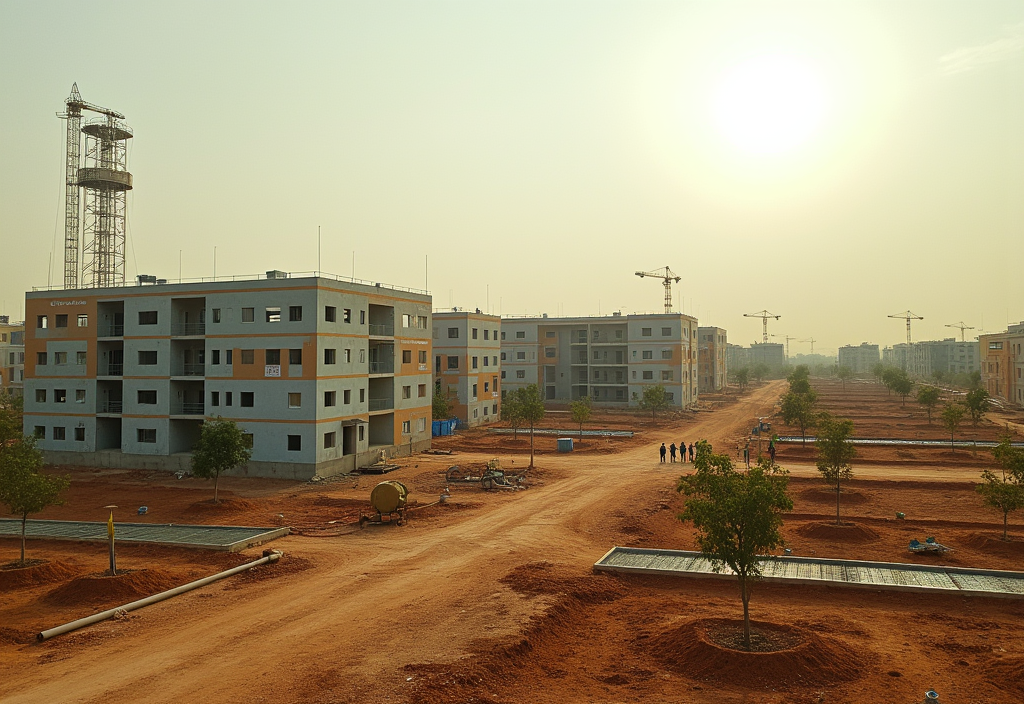
KARACHI — For three months the Makran corridor was judged by one merciless standard: did water reach the tap before the queue turned violent. It did. Now the heat has broken, the queues have thinned, and Karachi is testing the corridor against a question it was too thirsty to ask all summer — not whether the water comes, but on whose terms it stays. This is the harder test, because it has no emergency to excuse it. In eastern Karachi the taps ran all week without the alternating schedule, and instead of relief the neighborhood councils convened over invoices. The corridor that saved the city in June is owned by nobody the city elected: a consortium of the Tethys Hydrous Group, Concordat lenders, and the infrastructure house that fronted the membranes. Its water arrives priced. "In August we would have signed anything for pressure at the tap," said councilwoman Nadia Baig. "In October we read the contract. The dependency did not end when the heat did. It changed shape. We used to fear the dry tap. Now we study the meter, and the meter answers to Geneva, not to us." The corridor holds. What it costs, and who sets the cost, is the test that has no season to end it.
By Halvard Nkemelu · The Lost Archive, World Edition
A dispatch from The Lost Archive, the in-world newspaper of the year 2124 — a work of speculative fiction from The Legacy of the Lost.