
World · World
A Million Qubits, Two Weeks On: What Singapore's Machine Can and Can't Do
The processor that ran over the Q-Net is real; the claims made around it are not all equally real.
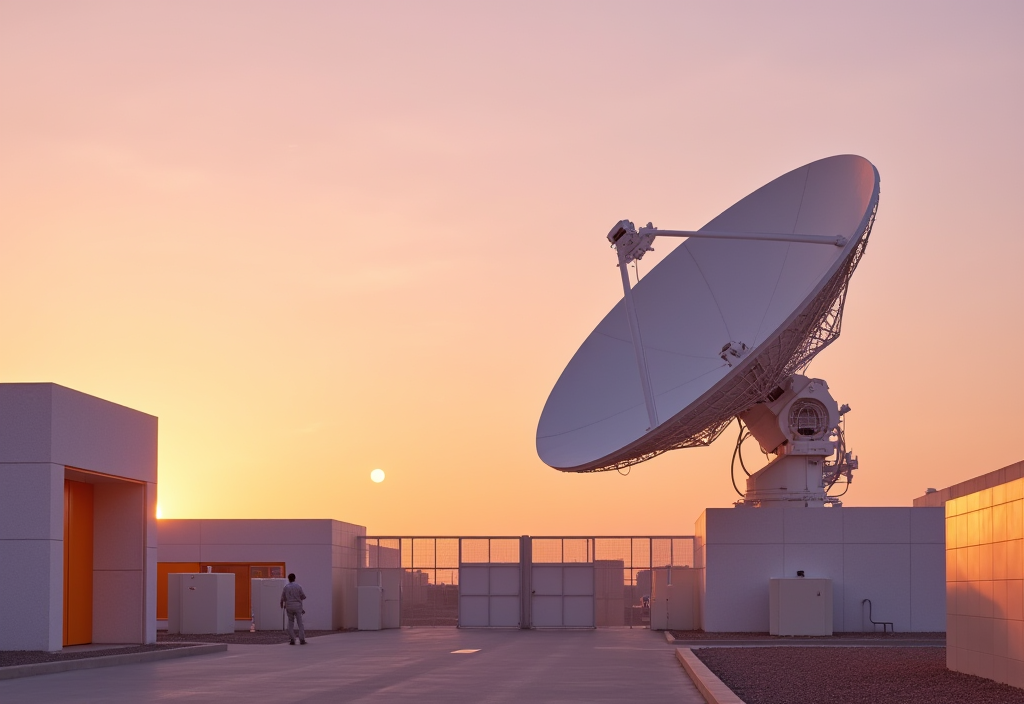
SINGAPORE — Two weeks after the Singapore Institute demonstrated a million-qubit processor running over the Q-Net backbone, the machine has become a mirror, and the public keeps seeing in it whatever it brought to the glass. The processor is real, and its achievement is genuine: a coherent million-qubit lattice is a feat the field chased for twenty years. What it is not is most of what has been said about it. It did not, the Institute stressed this week with visible fatigue, transmit information faster than light — the Q-Net secures a channel through entanglement; it does not send a message through it, and no processor changes that physics. It did not wake up. It did not think. "We built a very large, very cold calculator," said quantum physicist Dr. Wei-Lin Tan, who has spent the fortnight correcting the record. "It factors and simulates in ways nothing before it could. It does not dream, it does not know it is running, and it certainly does not talk to Mars in real time, which someone asked me on Tuesday." The machine can model a protein, break an old cipher, simulate a fusion plasma. It cannot do the one thing the public most wants a million qubits to do, which is mean something larger than physics. Tan has made peace with disappointing people. "Every real advance," she said, "gets buried under the imaginary ones. My job this month is the shovel."
By Dr. Selene Bright · The Lost Archive, World Edition
A dispatch from The Lost Archive, the in-world newspaper of the year 2124 — a work of speculative fiction from The Legacy of the Lost.