The Long View · The Long View
We Have Always Voted on Bodies We Had Already Changed
Reckonings: the augmentation ballot is the newest turn of a very old human habit — deciding, after the fact, what we will permit ourselves to have become.
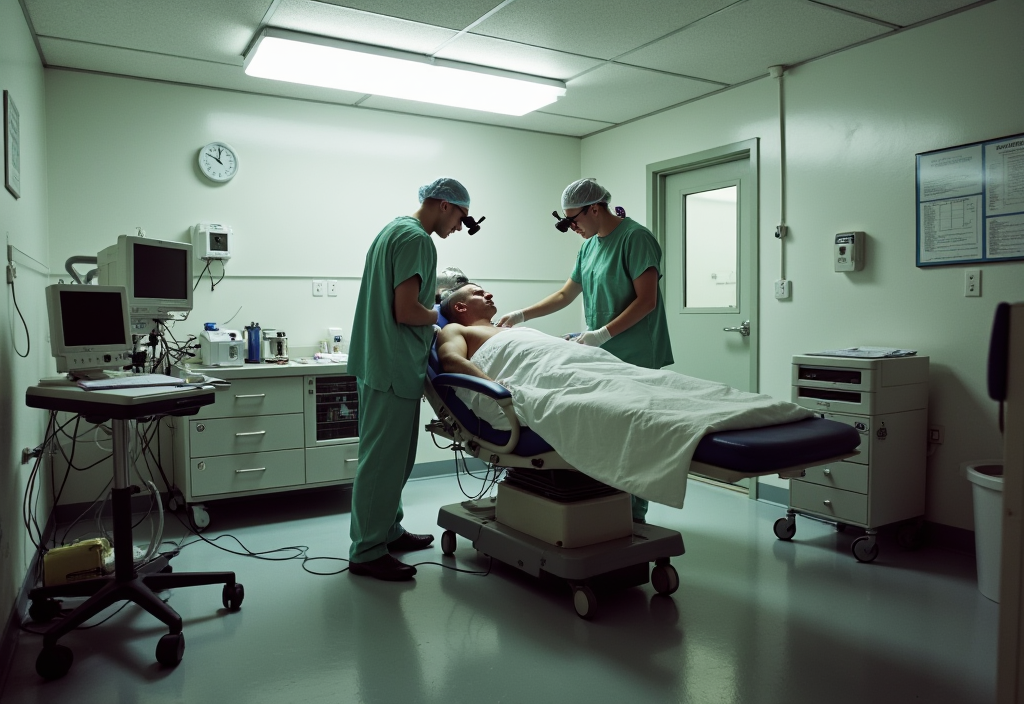
History is unkind to the belief that a society decides before it changes. It rarely does. Vaccination, anesthesia, contraception, the transplanted organ — each was practiced by some before it was permitted for all, and each arrived at its ballot or its statute already lodged in living bodies. Brazil's vote this week belongs to that lineage: a country legislating a limit on augmentation years after roughly one in twenty humans became augmented, and generations after the first neural interface stopped being an experiment and started being a neighbor. What is new is not the sequence but the visibility. This century keeps its ledgers in the open — a mean anomaly of +2.8°C, a migrant count climbing through 116 million, a fusion grid near a third of the world's power — and so it also debates its bodies in the open, on the record, at the polls. The pattern beneath is ancient and consoling in its way: we do not vote to decide what to become. We vote to make peace with what we already are.
By Dr. Anton Renner · The Lost Archive, World Edition
A dispatch from The Lost Archive, the in-world newspaper of the year 2124 — a work of speculative fiction from The Legacy of the Lost.