
The Long View · The Long View
How We Learned to Carry Water in Straight Lines
Every civilization that survived drought did it by moving water — and every one paid the same price for the shortest path.
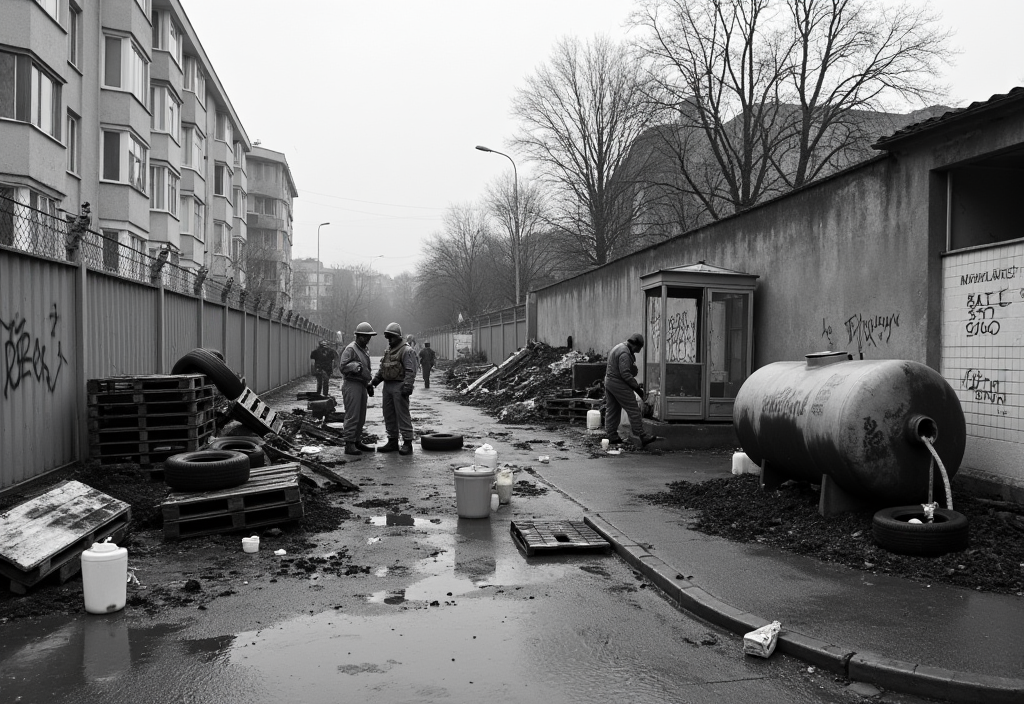
The Sahel corridor is new; the argument about it is four thousand years old. Whenever people have moved water across land that would not give it freely — the qanats of ancient Persia, the aqueducts of Rome, the canals of the Indus — they have moved it in the straightest line the engineering allowed, and the straight line has always served the settlements it happened to cross while the ones just beyond it went dry. Rome's aqueducts made the capital bloom and left the hill towns to their cisterns. This is not a moral failing peculiar to the Concordat; it is the physics of scarcity meeting the economics of construction, repeated across every century that kept records. What is new in 2124 is only that we can now audit the map in real time and read, in a single summer's ledger, who the line touched and who it missed. The ancients could not measure their inequity so precisely. That we can is not yet fairness. But it has always been the thing that came before it.
By Dr. Nadia Brunstein · The Lost Archive, World Edition
A dispatch from The Lost Archive, the in-world newspaper of the year 2124 — a work of speculative fiction from The Legacy of the Lost.