
The Long View · The Long View
How We Learned to Count People Instead of Feel Them
The migration figures rise each month with a terrible smoothness; the danger is that a number kept precise becomes a number kept at a distance.
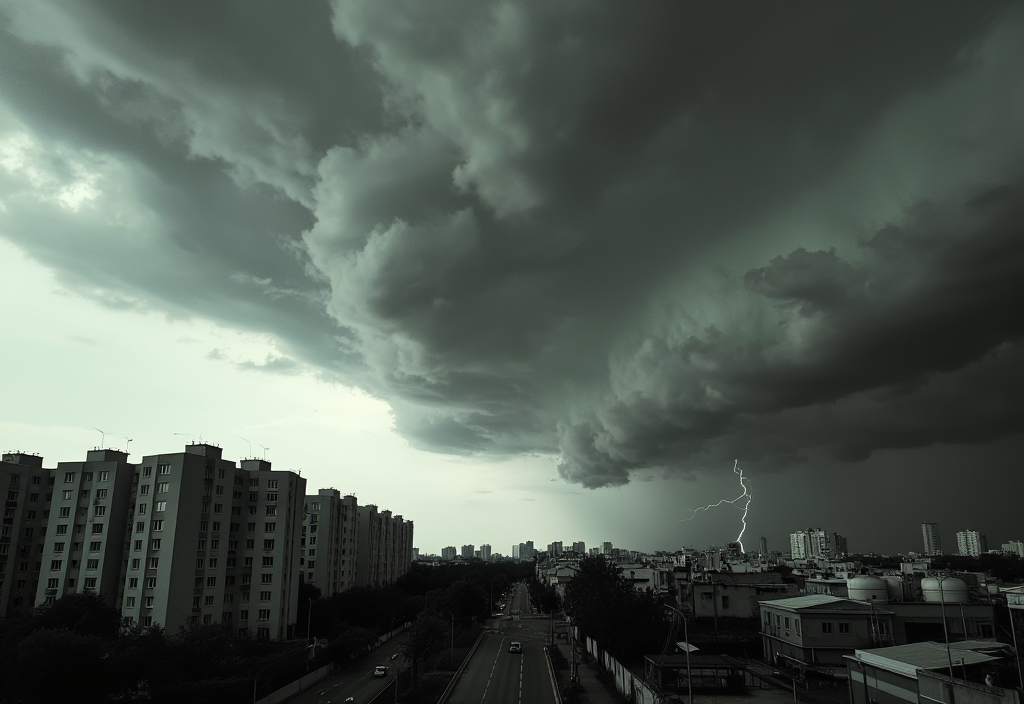
Consider what it means that we now know, to the million, how many people have been moved by a changing climate — and that the figure has climbed steadily toward 116 million this month with the regularity of a tide table. Precision is an achievement of the humane sciences; the census that finds the displaced is the first condition of helping them. But a century of measurement has taught us the quieter hazard: a quantity tracked closely enough begins to feel managed, and a thing that feels managed stops demanding to be felt. When Hearth Relief International reports the monthly rise, it is describing eleven-week journeys, children carried, courtyards left behind. The historian's warning is old and unwelcome — that societies which perfect the counting of a catastrophe often thereby excuse themselves from ending it. The number is not the crisis. The number is how we agree to keep looking at the crisis without quite meeting its eyes.
By Dr. Nadia Brunstein · The Lost Archive, World Edition
A dispatch from The Lost Archive, the in-world newspaper of the year 2124 — a work of speculative fiction from The Legacy of the Lost.