
The Enhanced · The Enhanced
Augmentation Clinics Report a Quiet Surge in Older First-Time Patients
With augmented humans now above five percent of the population, the fastest-growing cohort is not the young enhancing further but the aging seeking a first repair.
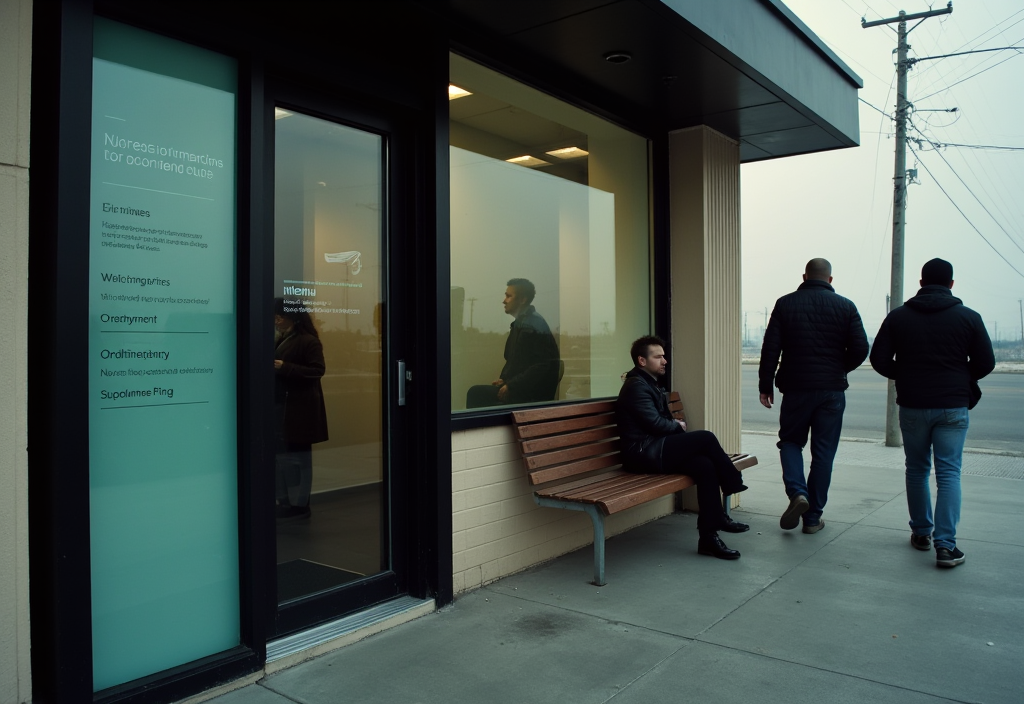
LAGOS — The people arriving newest to augmentation are also, increasingly, the oldest, clinicians here report — a shift that is quietly reshaping who the roughly five percent of augmented humans are. At a Lagos rehabilitation clinic, first-time neural and somatic implants for patients past seventy have risen sharply over the year, most seeking not enhancement but the recovery of a failing sense or steadier gait. "They don't come to become superhuman; they come to climb their own stairs again," said Dr. Ifeoma Balogun, who fits the devices. She is careful to note the caveat that shadows the field: Somaform Augmetics' neural-interface line remains under an open, contested safety review, and she counsels older patients toward established, reviewed hardware while that verdict is pending. The augmentation debate is often framed as a contest over the future of the young. In Balogun's waiting room, it is mostly about giving the old back their present.
By Dr. Naomi Eze · The Lost Archive, World Edition
A dispatch from The Lost Archive, the in-world newspaper of the year 2124 — a work of speculative fiction from The Legacy of the Lost.