
Quantum Frontier · The Quantum Frontier
After the Million-Qubit Demonstration, Singapore Counts the Cost of Cooling
The Singapore Institute's landmark run proved the machine works; a week later, its engineers are reckoning with the power and refrigeration it takes to keep one alive.
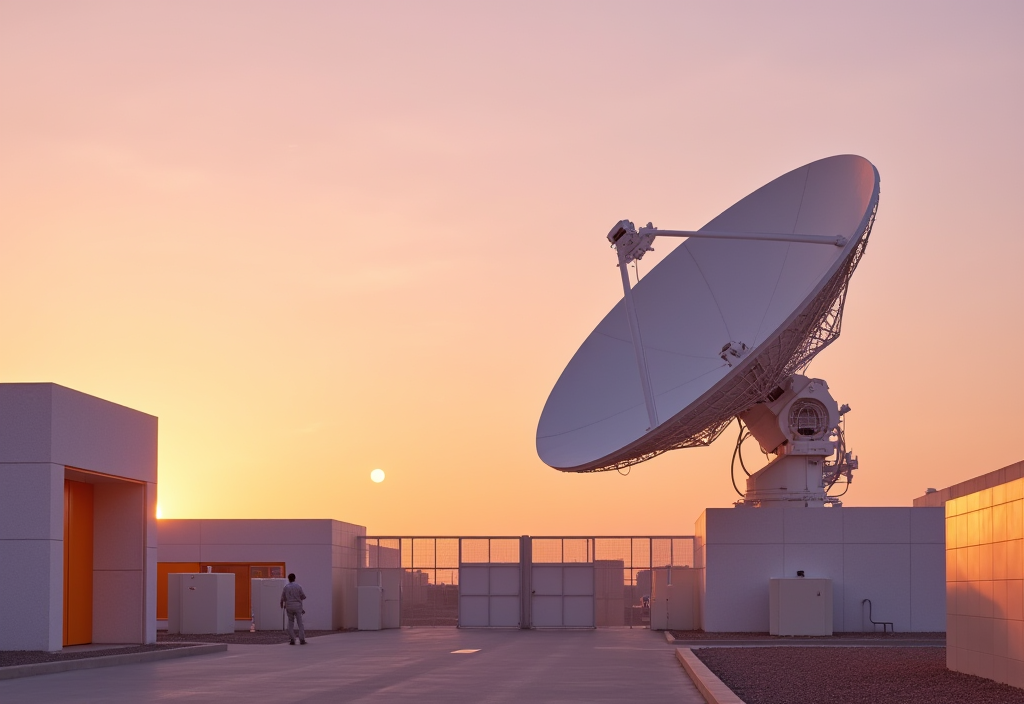
SINGAPORE — Six days after the Singapore Institute demonstrated a million-qubit processor over the Q-Net backbone, the harder conversation here is not about qubits but about kelvin. Keeping the array near absolute zero draws steady baseload power and a cryogenic plant that occupies more floor than the processor itself, institute staff say — a reminder that quantum advantage arrives tethered to a very classical utility bill. "The demonstration answered whether we could; the next question is whether we can afford to run it every day," said Dr. Wei-Lin Tan, the physicist who has fronted the Institute's public program. Q-Net, he stressed again, secures the channel but sends no message faster than light; the breakthrough is in scale, not in physics-defying speed. The Institute frames the cooling burden as engineering, not obstacle. Still, Tan concedes, the machine that computes the future runs, for now, on the present's power grid.
By Dr. Selene Bright · The Lost Archive, World Edition
A dispatch from The Lost Archive, the in-world newspaper of the year 2124 — a work of speculative fiction from The Legacy of the Lost.