
The Long View · The Long View
How We Got Here: The Century That Learned To Move Water Uphill
Before we argue over who pays for the Sahel corridor, it is worth remembering that for most of human history the answer to drought was to leave.
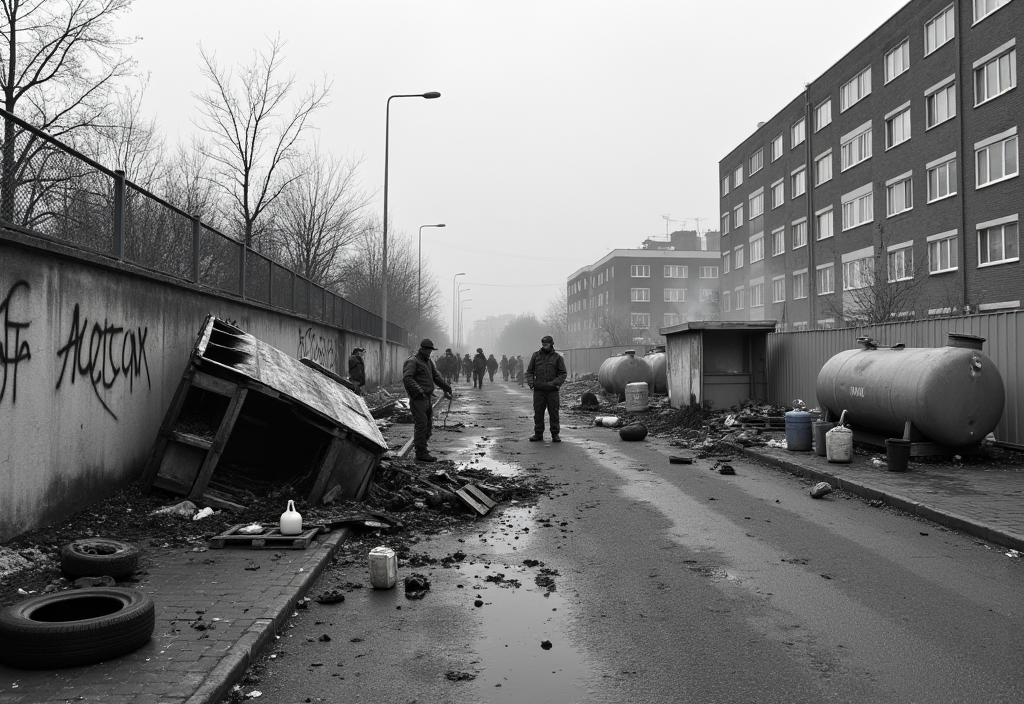
The corridor cities meeting this week to argue over water tariffs are having a modern quarrel about an ancient problem, and the length of that history is easy to lose. For nearly all of the human past, the response to a landscape that stopped giving water was migration: you moved to the water, because the water would not move to you. The engineering conceit of the last century — that a spine of pipe and pumped pressure could argue water back into a place people had already had to leave — is barely three generations old and, for most of its life, was called impossible by serious people. That it now runs through the Sahel, imperfectly and amid billing fights, is not a small thing; it is a reversal of one of the oldest human defaults. The +2.8°C world did not invent the drought-migration link. It merely made the stakes total. What is genuinely new is the wager, now being tested corridor by corridor, that we can hold ground our ancestors would simply have abandoned — and that the argument over the water's price is, itself, a strange kind of progress.
By Dr. Nadia Brunstein · The Lost Archive, World Edition
A dispatch from The Lost Archive, the in-world newspaper of the year 2124 — a work of speculative fiction from The Legacy of the Lost.