The Long View · The Long View
How We Learned to Measure a Planet by Its Averages
The habit of reporting a survived season by its mean — the average temperature, the hemisphere that "held" — is younger than it feels, and it hides more than it shows.
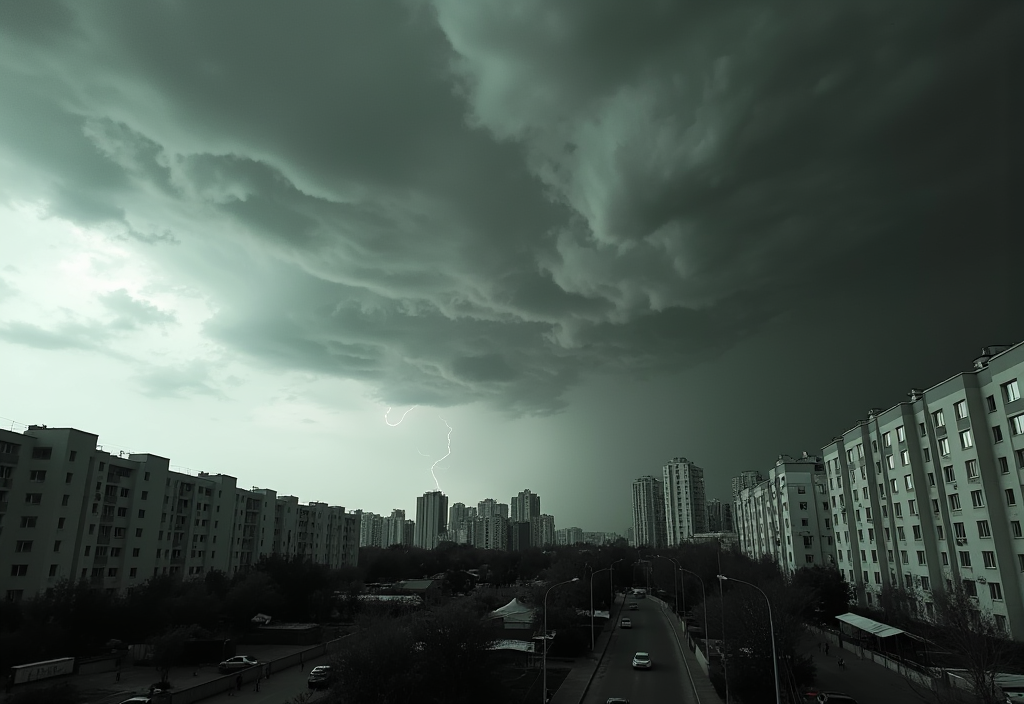
There is a comfort in the average that our grandparents would not have recognized. A grid "holds," a season lands "within model," an anomaly settles at a familiar figure — and the reassurance of the mean lets us look away from the streets that flickered and the wards that queued. This habit is not old. For most of human history a bad summer had a face and a name; it was the field that failed, the neighbor who left. We traded that knowledge for the vast, honest, cooling power of statistics, and mostly the trade was worth it — you cannot govern twelve billion people one anecdote at a time. But an average is a decision about what to forget, and a civilization that only reads its outliers when a machine browns out has trained itself toward a dangerous serenity. The season held, on average. Somewhere, precisely, it did not. The long view is remembering to ask where.
By Dr. Nadia Brunstein · The Lost Archive, World Edition
A dispatch from The Lost Archive, the in-world newspaper of the year 2124 — a work of speculative fiction from The Legacy of the Lost.