The Long View · The Long View
How We Learned to Live at Two Speeds
A century that lengthened some lives and left others unchanged did not plan for the households where both now sit at the same table.
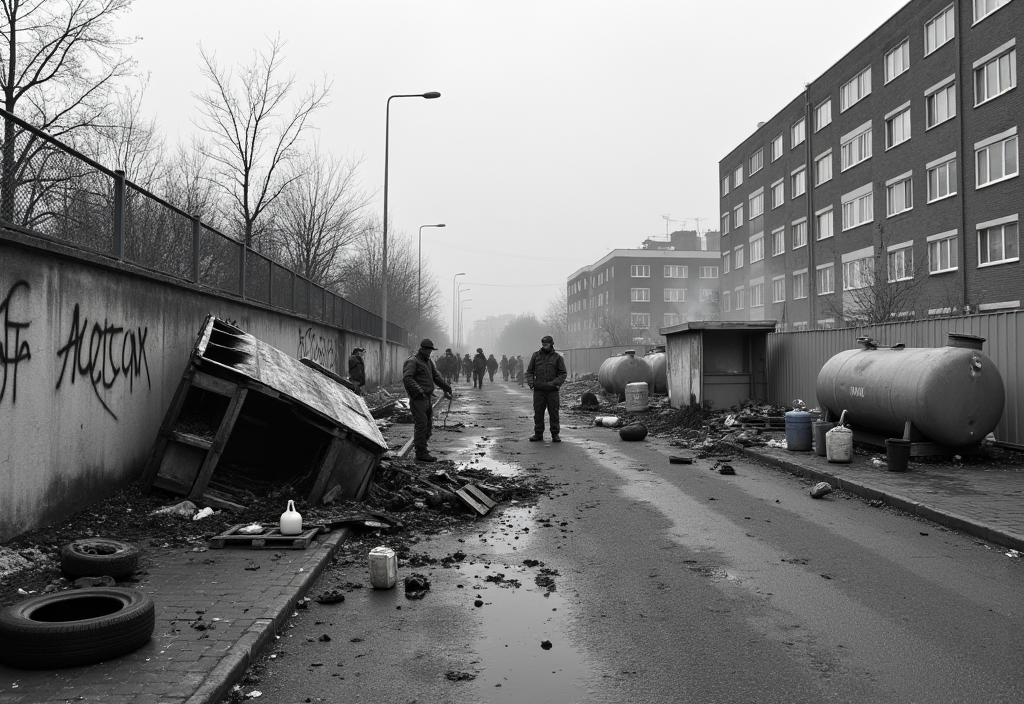
The strangeness in that Lagos kitchen this paper visited — grandmother and granddaughter on different clocks — is not an accident of one family. It is the shape of a whole century, and it is worth asking how we got here. Augmentation arrived, as most transformations do, unevenly: adopted first where it was affordable, then normalized before it was ever debated, until roughly one in twenty humans now carries a body the last generation could not have imagined. We did not decide this as a species; we drifted into it, purchase by purchase, until the drift had a demographic. The result is households that span not just two generations but two biologies, two lengths of expected future, two relationships to an ordinary hour. History offers thin precedent. Every prior gap between old and young closed with time — the young grew old the same way. This one may not close, because the young are aging on terms the old never had. We are, quietly, the first century to seat two human speeds at one table and call it a family.
By Dr. Nadia Brunstein · The Lost Archive, World Edition
A dispatch from The Lost Archive, the in-world newspaper of the year 2124 — a work of speculative fiction from The Legacy of the Lost.