Grid & Fusion · Grid & Fusion
The Arithmetic of Keeping Twelve Billion Cooled — and What It Cost the Old Grid
A walk through the summer's peak load, and the places where the reconnected grid was never actually rebuilt.
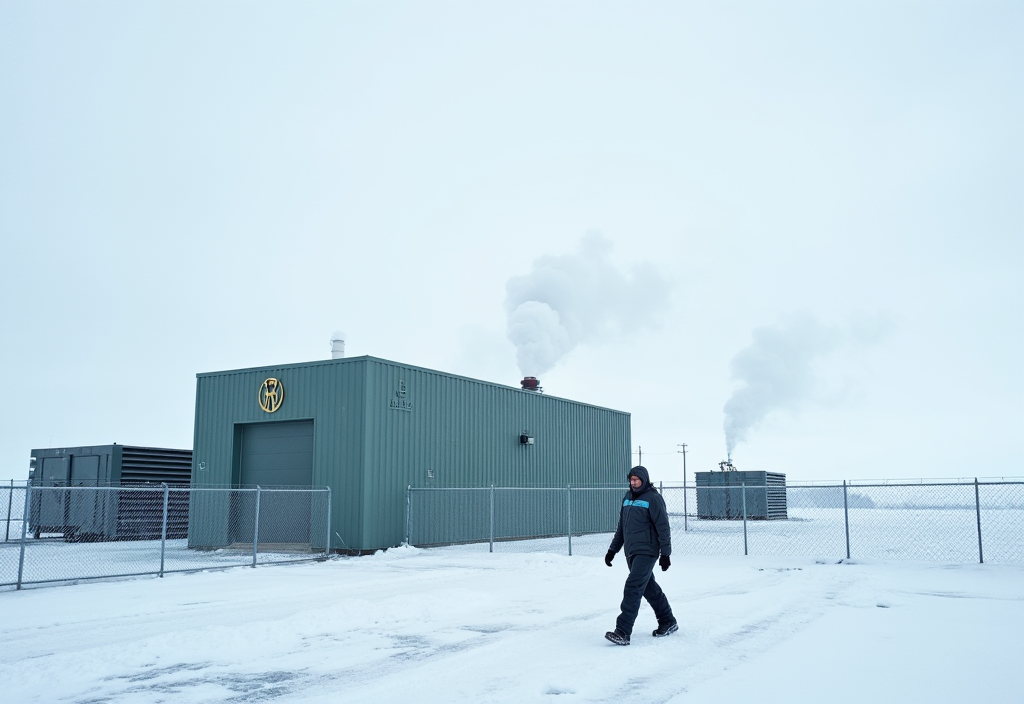
SINGAPORE — The number that ran the summer was never printed on any bill: the load, at its August peak, of cooling nearly twelve billion people at once. Fusion carried close to a third of it, the reconnected legacy grid strained under the rest, and the whole apparatus held — mostly. But "mostly" has a geography. Walking the substations east of the city this week with a grid engineer, I saw where the reconnection was declared and never quite performed: transformers a century old, patched interlinks humming at tolerances no one likes to say aloud, districts whose power exists on a map more firmly than in a wire. "We tell the public the grid came back," the engineer said, wiping condensation from a housing. "What came back is a promise with gaps in it, and summer finds the gaps." The peak passed without a cascade, which the industry counts as victory. But the margin, he said, is not comfort. It is luck wearing the costume of engineering, and luck is a resource the century keeps spending faster than it restocks.
By Priya Anand · The Lost Archive, World Edition
A dispatch from The Lost Archive, the in-world newspaper of the year 2124 — a work of speculative fiction from The Legacy of the Lost.