
Waterline · Waterline
The Standpipe Culture That Refuses to Die Even Where the Taps Now Run
In corridor cities, the queue has become a habit, a marketplace, and a wariness — because relief that names itself provisional teaches its own lessons.
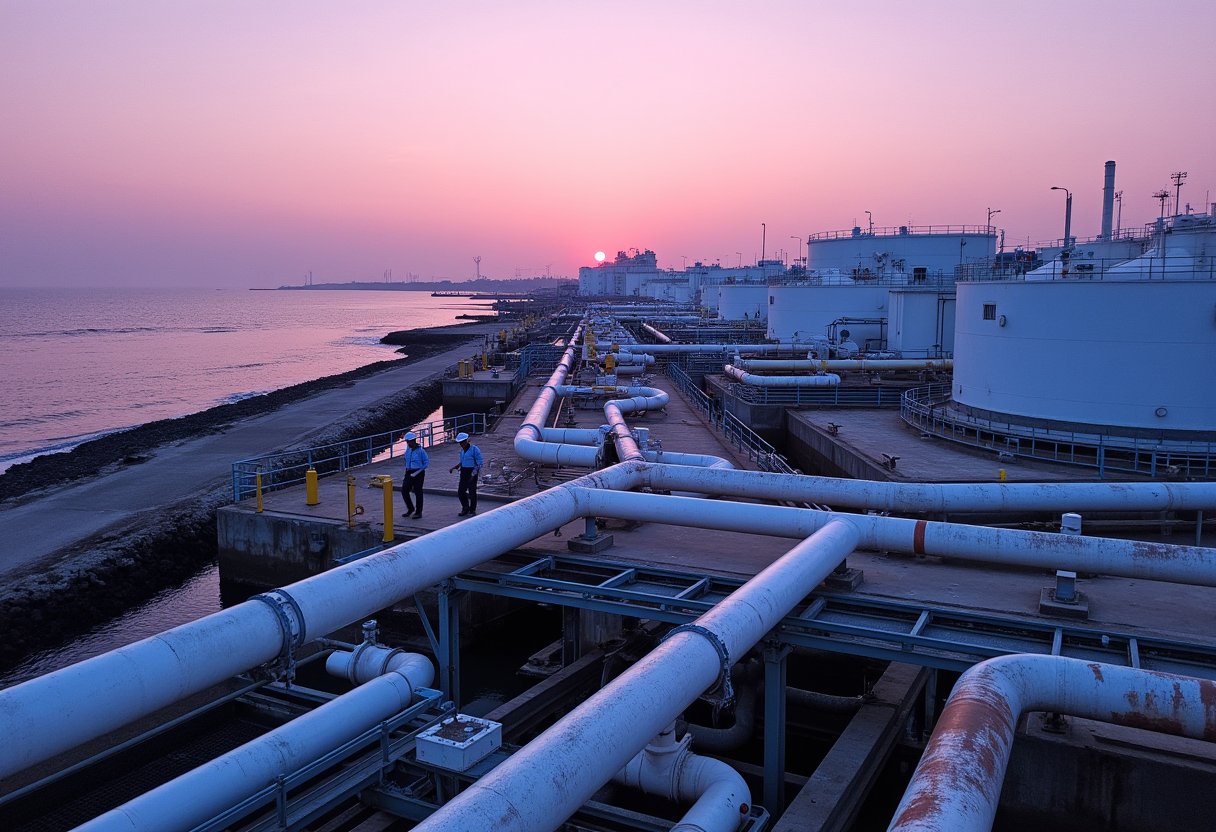
KARACHI — The taps in eastern Karachi have run for weeks, and yet at dawn the old standpipe on Napier Road still draws its queue. The people in it mostly have water at home now. They come anyway, and if you ask them why, the answers braid together into something the corridor's engineers did not plan for. The queue has become a habit — a place to meet, to trade a spare canister for a favor, to hear which district's schedule wobbled overnight. It has become a marketplace, small vendors working the line as they always did. And underneath both, it has become a wariness that no running tap has yet dissolved. "The corridor is good. The corridor is also, they keep telling us, provisional," said Rehana Baig, who fills a spare drum at the standpipe every morning against a cutoff that has not come and may not. "A person who has been thirsty does not throw away the queue just because the tap works today." Relief that names itself thin teaches its own lessons, and the deepest one is caution. From Agadez to Karachi, the standpipe endures as insurance, as community, and as memory — the corridor's success measured, strangely, by the queue that will not quite believe it.
By Halvard Nkemelu · The Lost Archive, World Edition
A dispatch from The Lost Archive, the in-world newspaper of the year 2124 — a work of speculative fiction from The Legacy of the Lost.