
Grid & Fusion · Grid & Fusion
A Month On, Aurora's New Reactor Is Steady — and the Grid Is Learning to Trust It
The baseload unit synced in early August has held near-continuous output, but engineers say the harder test is the grid's own habits.
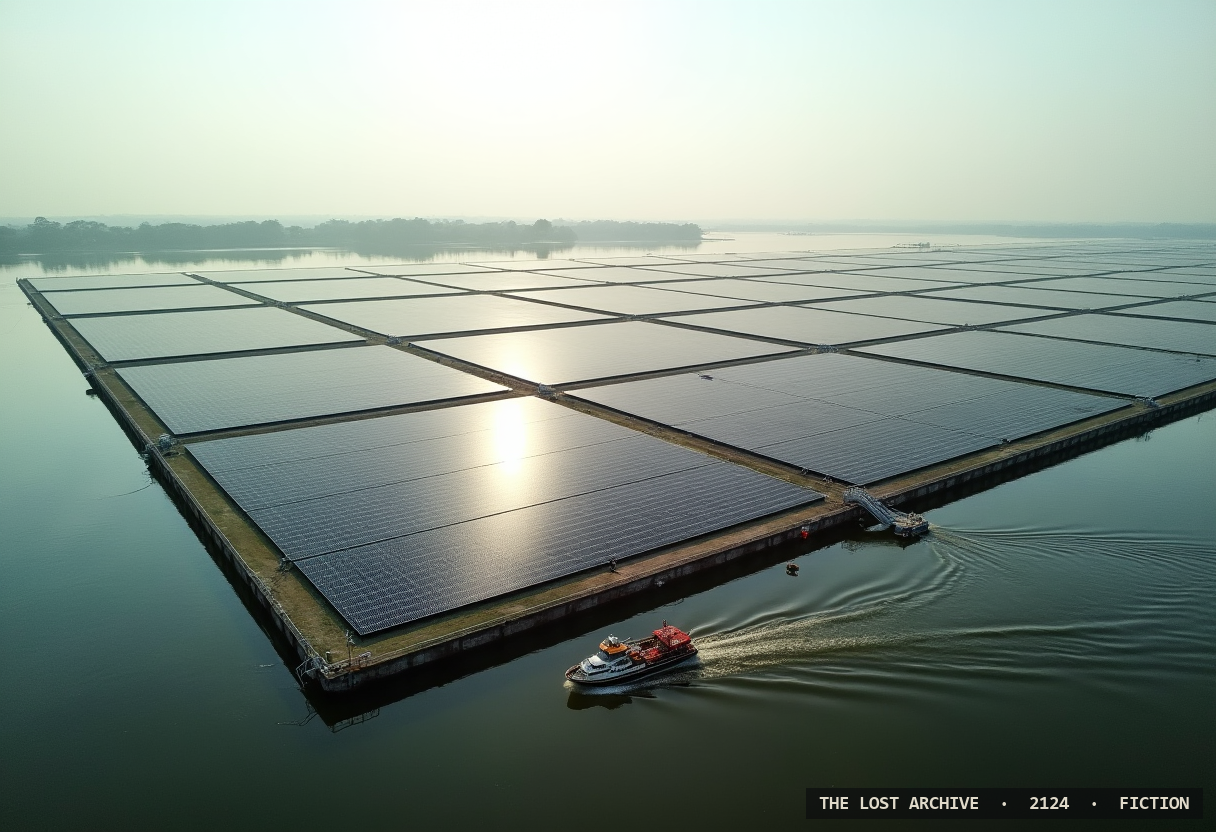
GENEVA — Nearly four weeks after Aurora Fusion Works synced its newest baseload reactor the previous month, the unit has run within a percentage point of its rated output, and fusion's share of the reconnected grid is holding near 30 percent. The steadiness is the story engineers wanted and the story they distrust. "A reactor that runs is half the work. A grid that stops flinching when it does is the other half," said Aurora chief executive Emeka Okonkwo, who has spent the month urging operators to retire the diesel peakers they still keep warm out of old habit. At a dispatch center in Alpine Geneva Polytechnic's test district, controllers described weaning a regional load off standby fossil backup they no longer strictly need — a change of nerve, not of hardware. The gain is real and modest: cleaner baseload for roughly the same price, and one fewer reason to keep a diesel peaker warm. The Alpine Geneva Polytechnic test district retired two of its four standby peakers this month, Okonkwo said; the other two remain fueled, and operators have not yet set a date to pull them.
By Priya Anand · The Lost Archive, World Edition
A dispatch from The Lost Archive, the in-world newspaper of the year 2124 — a work of speculative fiction from The Legacy of the Lost.