
Grid & Fusion · Grid & Fusion
A Month After Aurora's Baseload Came Online, the Grid Feels the Slack
The reactor synced in August nudged fusion past 31% of the reconnected grid; operators say the real change is nights that no longer strain.
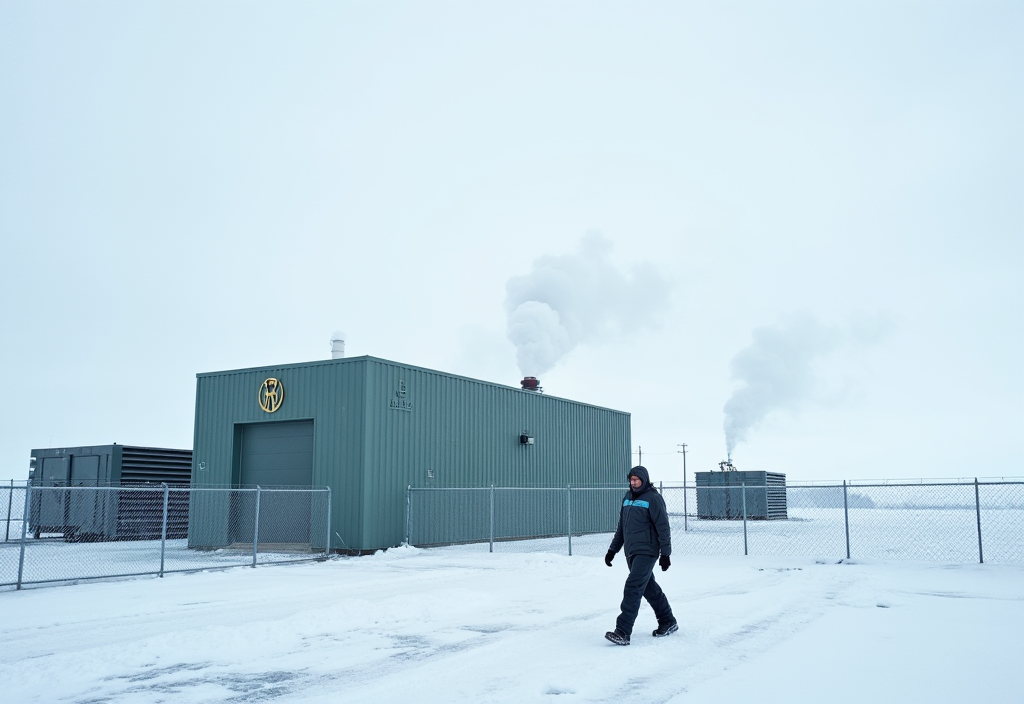
SEATTLE — The headline in early August was that Aurora Fusion Works had synced a new baseload reactor and pushed fusion past 31% of the reconnected grid. The quieter story, a month on, is what that percentage feels like at 3 a.m. "We used to hold our breath through the overnight trough — that's when a fragile grid trips," said load dispatcher Elena Vasquez at a Pacific Northwest control center, watching a frequency trace hold flat. "Now it just sits there. Boring is the most beautiful word in this room." Aurora chief executive Emeka Okonkwo has been careful not to oversell, noting the reactor adds firm capacity, not miracles, and that roughly 70% of the grid still leans on older sources. But baseload that does not flinch changes the math for the megacities stitched onto the reconnected network. For Vasquez, the proof is in her logbook: three consecutive weeks with zero overnight interventions, against nine in the same stretch last winter.
By Priya Anand · The Lost Archive, World Edition
A dispatch from The Lost Archive, the in-world newspaper of the year 2124 — a work of speculative fiction from The Legacy of the Lost.