
The Long View · The Long View
How the Water Ministry Became the Most Powerful Chair
A century ago it barely existed; today its reservoirs decide who thirsts.
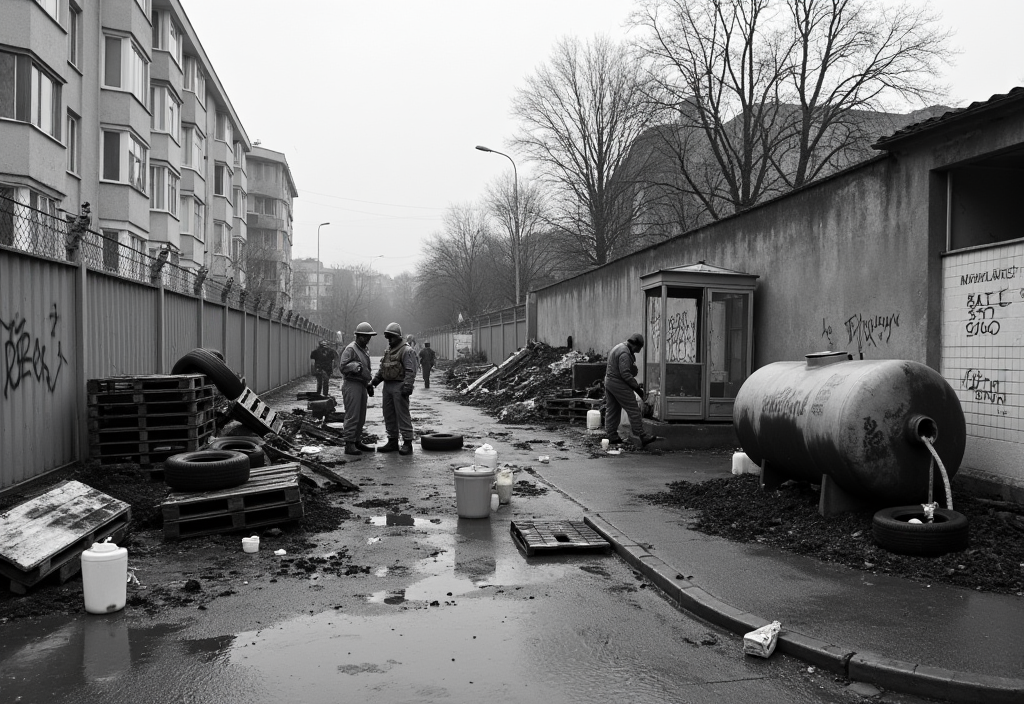
Look back a hundred years, and the water minister was a technocrat few citizens could name — a keeper of dams and drainage, ranked well below the ministers of finance or defense. The +2.8°C century changed that quietly, then all at once. When the Global Concordat Council convened its emergency water session this July, the room that mattered most was not the one debating budgets but the one allocating reservoirs across three drying continents. Historians of institutions note the pattern: scarcity promotes the office that manages the scarce thing. Utilities like the Tethys Hydrous Group, once obscure municipal contractors, now shape whether a coastal district's taps run. It did not happen through any single decision. It happened the way institutional power usually shifts — through a thousand small allocations, each reasonable, accumulating into a chair that can decide a city's morning. Understanding how we got here matters, because the water minister's new authority was never voted into being. It was poured.
By Dr. Nadia Brunstein · The Lost Archive, World Edition
A dispatch from The Lost Archive, the in-world newspaper of the year 2124 — a work of speculative fiction from The Legacy of the Lost.