
Grid & Fusion · Grid & Fusion
The Micro-Fusion Home Becomes the Quiet Democratizer of the Grid
Where the reactor shrank to the household, the summer looked entirely different.
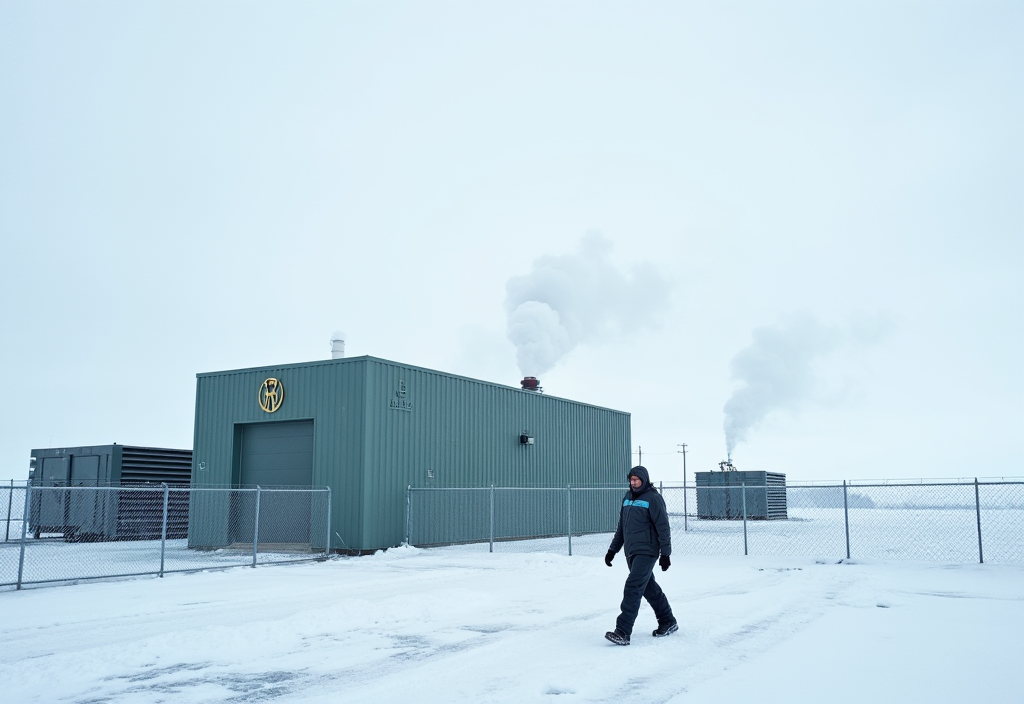
For most of this century the fusion story has been a story of giants — the great baseload reactors, the syndicate build-outs, the recent Aurora Fusion Works unit that nudged the reconnected grid past thirty-one percent. But the change that reshaped this summer for ordinary households was not a giant at all. It was the slow arrival of the small: the containerized micro-fusion unit, reactor shrunk to the size of a garden shed, now cheap enough that a village cooperative, a refugee settlement, a single stubborn desert town can own its own baseload and stop asking anyone's permission to keep the lights on. Where those units landed, the summer looked different. Cooling ran through the worst heat without a brownout. Desalination pumps that once idled for lack of power simply ran. "The big reactors decide who gets civilization," said an engineer at one cooperative outside Lagos, watching her shed hum. "The small ones let a place decide for itself." The grid, for a hundred years a thing done to communities, is quietly becoming a thing they can hold in their own hands.
By Priya Anand · The Lost Archive, World Edition
A dispatch from The Lost Archive, the in-world newspaper of the year 2124 — a work of speculative fiction from The Legacy of the Lost.