
World · World
The Heat Breaks, and the Grid Files Its First Verdict on the Summer
With the ceiling behind it, the grid tallies which regions rode the peak and which browned out.
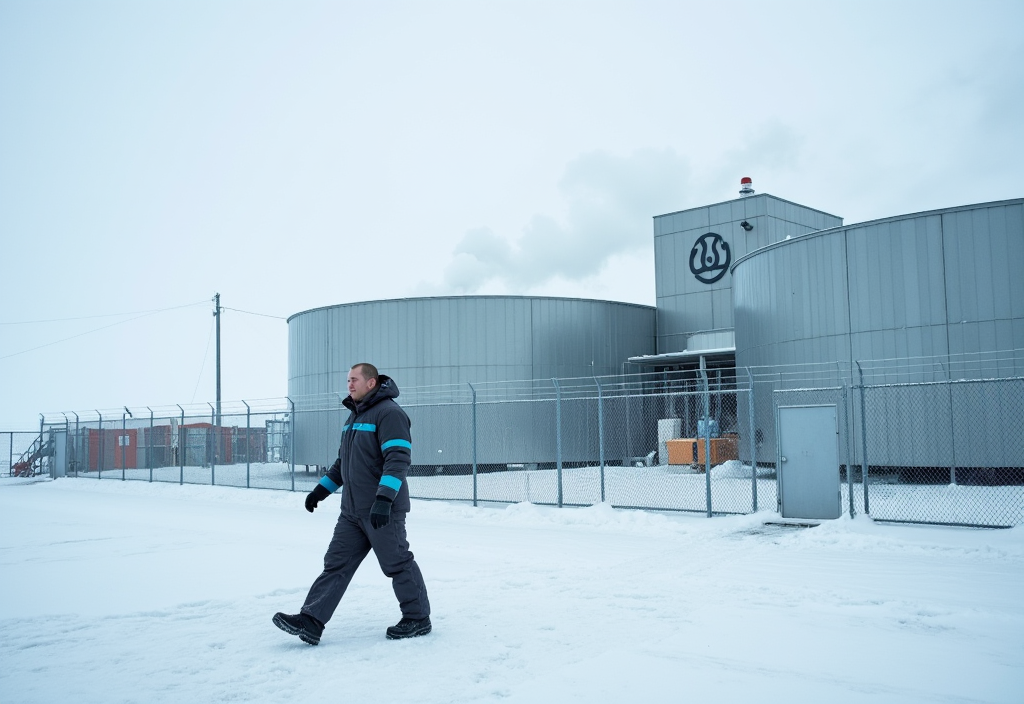
GENEVA — The dome that had sat over three continents for six weeks finally lifted this week, and the moment the cooling load eased, the grid operators did what they always do after a peak: they opened the ledger. The verdict is mixed and, on balance, quietly encouraging. Fusion baseload — pushed past thirty-one percent of the reconnected grid when Aurora Fusion Works brought its newest reactor online this month — carried the worst afternoons without a single continental cascade, the outcome engineers had spent a decade building toward. The failures were local and old-fashioned: a browned-out province in the interior where the interlinks are still thin, three heat-hour rolling cutoffs across water-stressed megacities, one substation that simply aged out under load. "We did not lose the grid this summer, and ten years ago we would have," said an Aurora dispatch engineer, reviewing the curves. "That is the headline. The footnote is that the margin is still thinner than anyone here likes." The build-out planners are already reading the summer's data as a map of where next year's reactors and interlinks must go. The heat, they note, always writes the specification. This year, mostly, the grid could read it.
By Priya Anand · The Lost Archive, World Edition
A dispatch from The Lost Archive, the in-world newspaper of the year 2124 — a work of speculative fiction from The Legacy of the Lost.