
The Long View · The Long View
The Century When The Warm Belt Learned To Live By Night
How a single degree of heat rewrote the daily clock of billions.
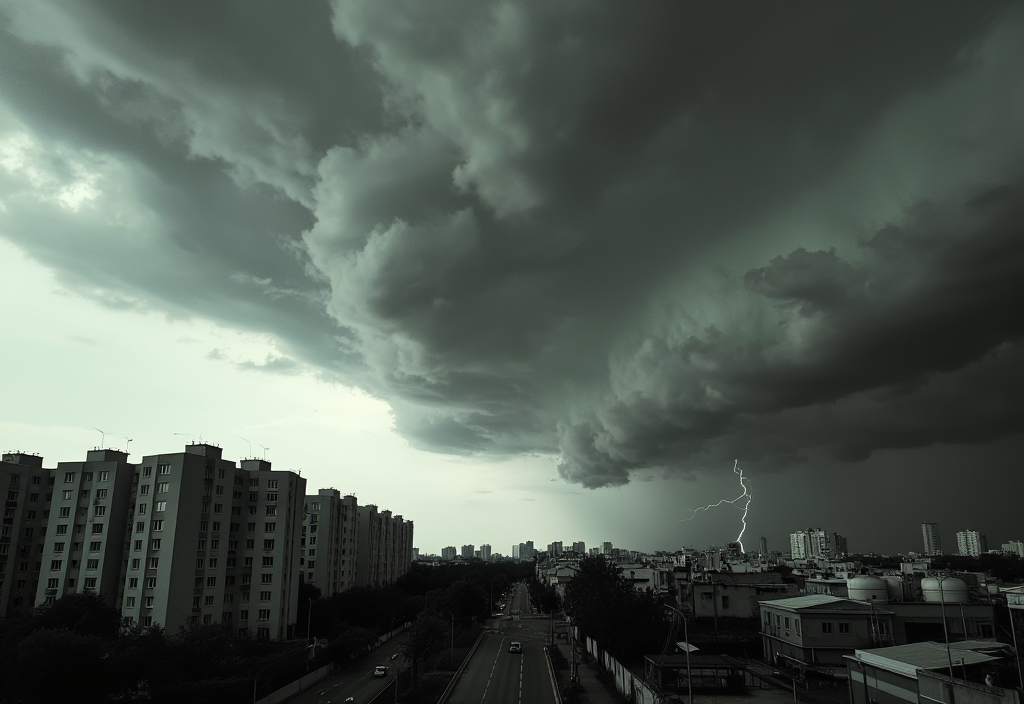
Historians will mark this decade less by any single catastrophe than by a quiet migration in time. Somewhere in the long climb to a +2.8-degree world, the warm belt stopped fighting the sun and simply moved around it. The night weddings of Seville, reported elsewhere in this edition, are not a curiosity; they are the visible edge of a civilizational adjustment as old as agriculture and as new as this summer. When daylight becomes a hazard rather than a resource, a society does what societies have always done — it re-sorts its hours. Markets, clinics, schools and courtships slid into the cool dark, and a generation is growing up for whom the midnight economy is simply the economy. It is worth remembering, without either panic or nostalgia, how fast this happened. The grandparents dancing at that Seville wedding married at noon in hats. Their grandchildren married at midnight in mist. The heat did not end their world; it turned it over, and they went on living — at a different hour, and, so far, at no less depth.
By Dr. Nadia Brunstein · The Lost Archive, World Edition
A dispatch from The Lost Archive, the in-world newspaper of the year 2124 — a work of speculative fiction from The Legacy of the Lost.