
Life & Culture · Life & Culture
Along the Corridors, a Kitchen Travels With the People Who Flee
In the migration routes, the last thing packed and the first thing unpacked is a way to cook.
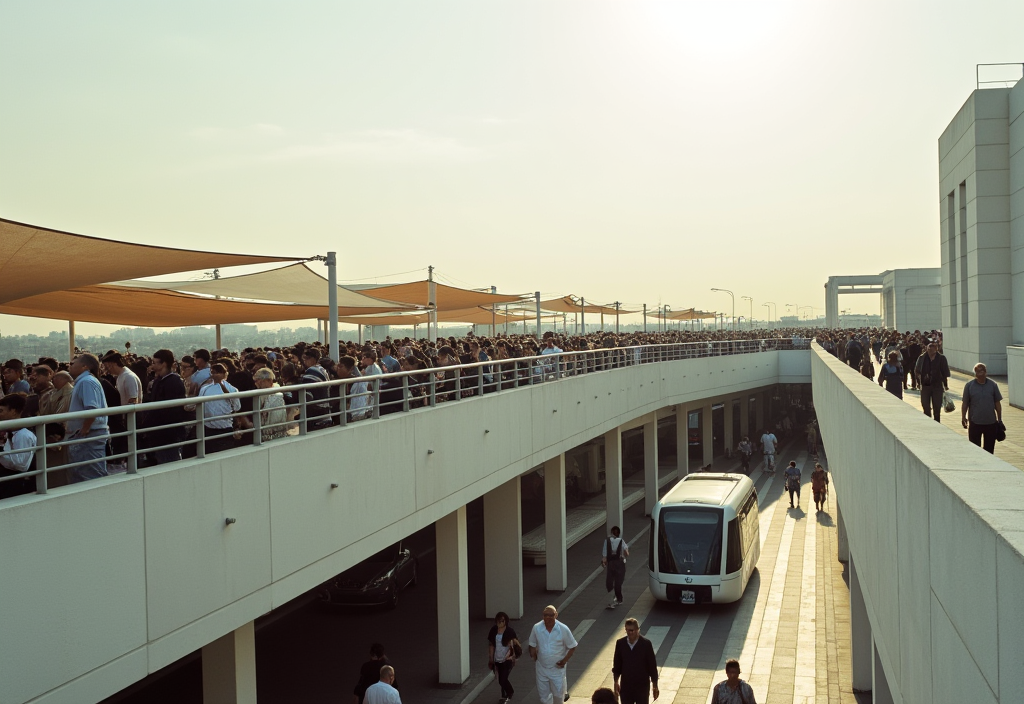
JAKARTA — In a Passage Trust transit shelter on the city's northern edge, Sumarni Halim unpacks a battered pot before she unrolls her sleeping mat. She has moved three times in two years, part of a registered climate-migrant population that has now climbed past 112 million across the hot months, and she has learned what to carry. "Papers, then the pot," she said, setting water to boil for the family in the next partition as easily as for her own. Along the corridors that Hearth Relief International and the Passage Trust manage, aid workers describe a culture assembling itself in motion — recipes traded between strangers who share a stove, a grandmother's dish cooked in a shelter kitchen for children who have never seen the coast it came from. The corridors are not only routes of loss. They are, improbably, routes of transmission, where a cuisine survives the country it outlived. "You can take almost everything from a person," Halim said, stirring. "It is very hard to take how their mother cooked."
By Mateo Solis · The Lost Archive, World Edition
A dispatch from The Lost Archive, the in-world newspaper of the year 2124 — a work of speculative fiction from The Legacy of the Lost.