
World · World
Micro-Fusion Towns Ride Out the Heat While the Old Grid Sweats
Where fusion reached the household, the peak looks different — and the map of who was left off is stark.
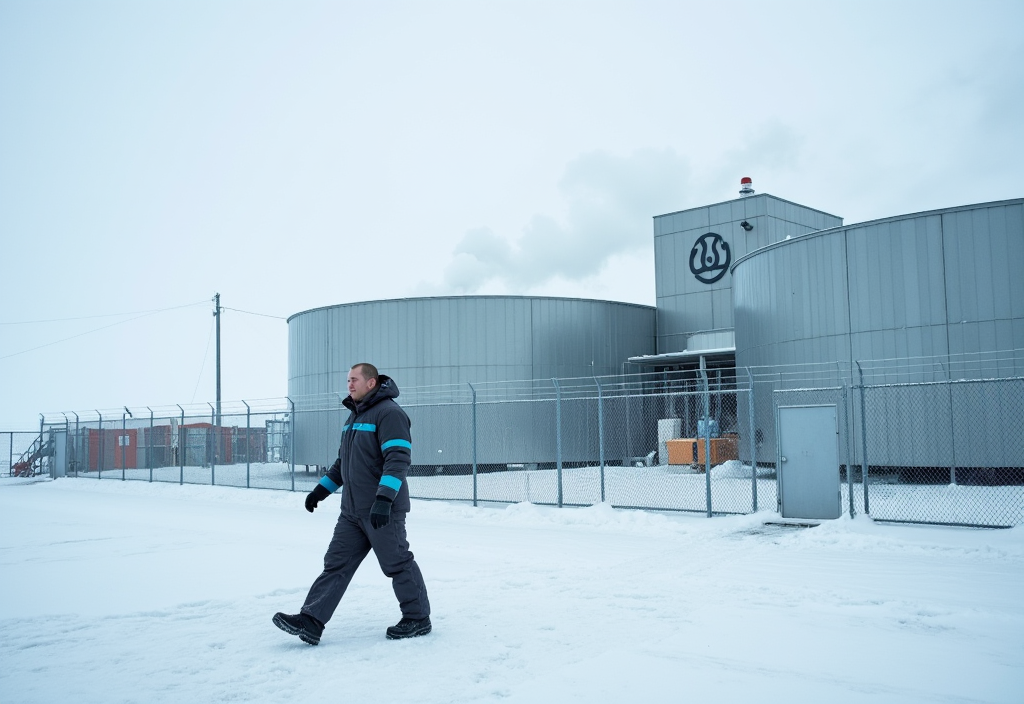
MEDFORD, OREGON — When the heat dome parked over the valley on Wednesday and the regional demand curve bent toward its summer ceiling, two towns forty kilometers apart lived two different afternoons. In the one still hanging off the old regional interconnect, the utility ran its familiar summer liturgy: voltage sagged, rolling brownouts moved neighborhood to neighborhood, the elderly were told to gather at the cooled library. In the other, a municipal micro-fusion unit no larger than a warehouse had been humming since spring, and the afternoon passed without event — air-conditioning steady, clinics lit, the peak absorbed as if it were any other Wednesday. The contrast is the whole story of this decade compressed into forty kilometers. Fusion now carries close to a third of the reconnected grid, but "the grid" is a coarse average that hides a jagged map: the places where the technology reached the household, and the far larger places where it did not. "We are not smarter than the town down the road," said the Medford utility manager, watching a flat, boring load chart with visible affection. "We were earlier. Earlier is the only difference, and this week earlier meant everything." The heat did not distinguish between the two towns. The grid did.
By Priya Anand · The Lost Archive, World Edition
A dispatch from The Lost Archive, the in-world newspaper of the year 2124 — a work of speculative fiction from The Legacy of the Lost.