The Long View · The Long View
We Have Always Rationed Water; We Have Rarely Admitted It
A historian's note: the handspan on a Karachi tank wall is an old measure returning to a civilization that forgot it.
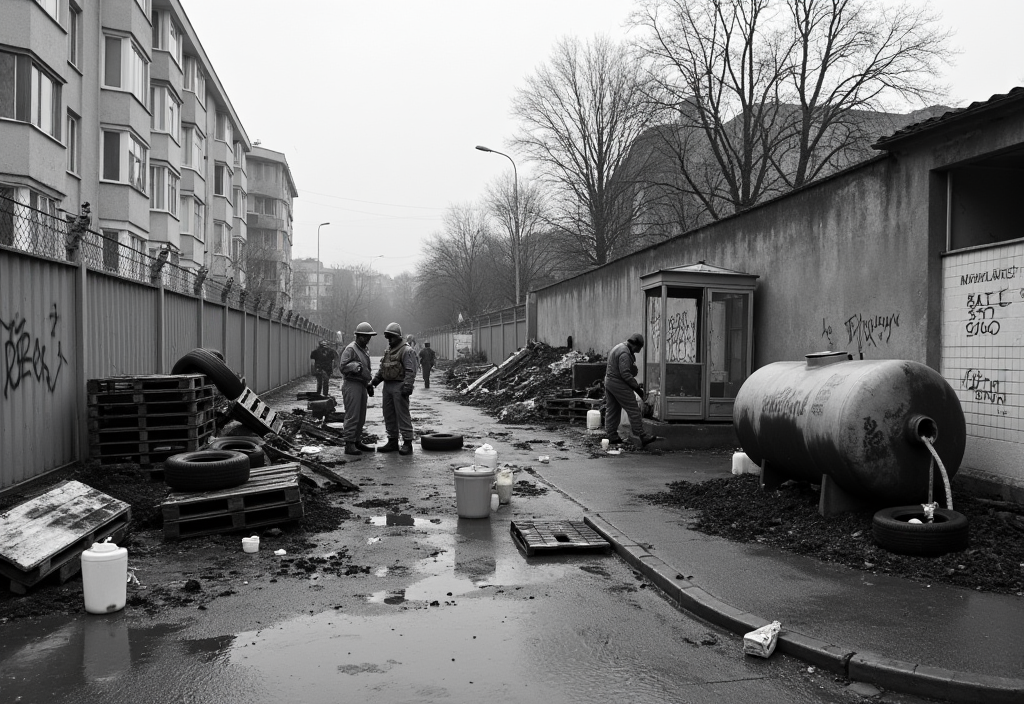
There is nothing new under this sun except its heat. When engineer Sana Iqbal marked the water on a Karachi tank wall by the width of her hand this week, she was reviving one of the oldest human instruments — the body as gauge, the reserve read in fingers and palms — that piped abundance let much of the world forget for a century. The forgetting was the anomaly, not the rationing. For most of history, cities were built where water was and shrank when it left; the handspan, the notch on the well, the priest counting the Nile's rise were normal governance, not emergency. What changed in the twentieth century was not human need but a brief, fossil-fueled illusion that supply had no ceiling. This summer, under a +2.8-degree anomaly, the illusion is expensive. The lesson history offers is not despair but proportion: societies that measured honestly — that admitted the ceiling — endured, and those that pretended did not. Karachi wrote "it held" on the wall. The older word for that is "we counted."
By Dr. Nadia Brunstein · The Lost Archive, World Edition
A dispatch from The Lost Archive, the in-world newspaper of the year 2124 — a work of speculative fiction from The Legacy of the Lost.