
Life & Culture · Life & Culture
The Cities That Learned to Live at Dawn
As the heat peaks, ordinary life quietly rescheduled itself into the cool hours.
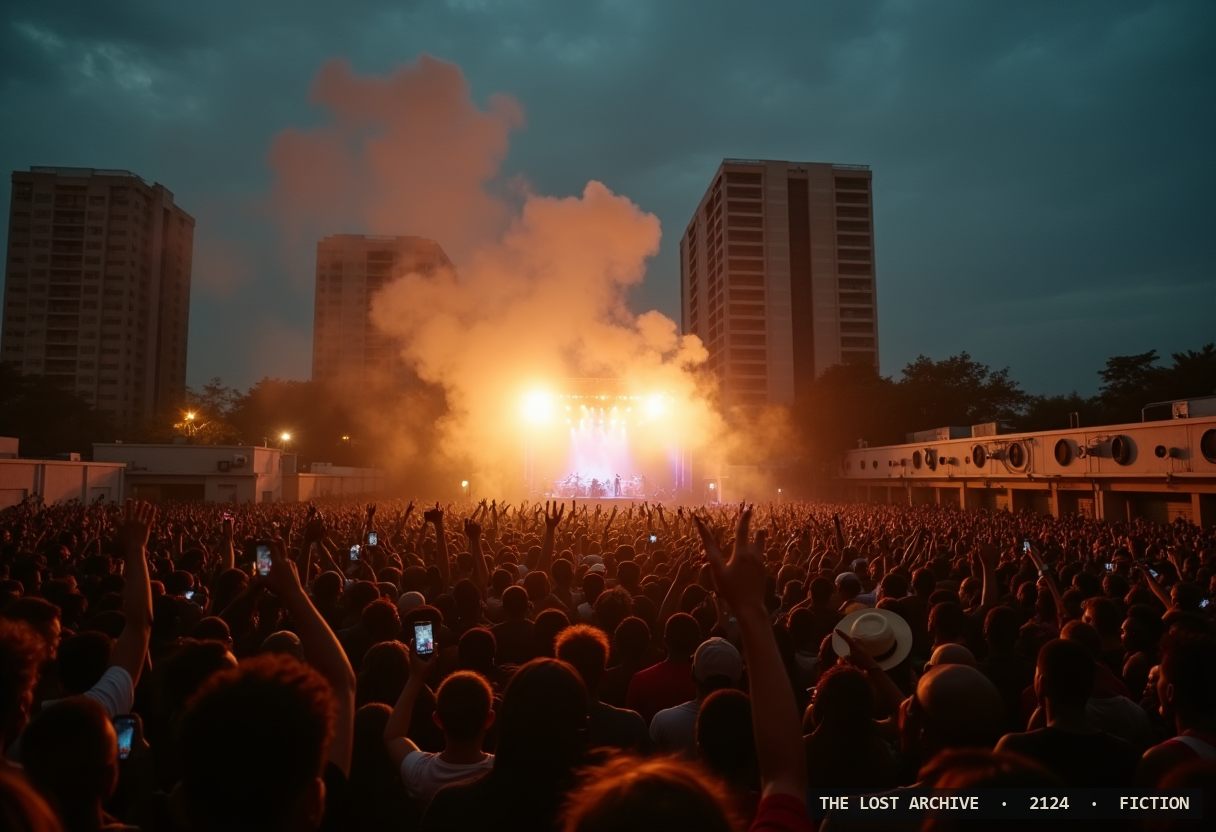
In Seville this week the markets opened at four in the morning and the football matches kicked off at eleven at night, and almost no one remarked on it, because in the fifth heat summer of the +2.8-degree world this is simply how a city lives now. "We did not decide it in a meeting," said Rocío Delgado, who runs a produce stall in the Triana market and now sets out her tomatoes under floodlights before sunrise. "The heat decided it, and we agreed." Across the southern latitudes a whole culture of the cool hours has quietly consolidated: dawn commerce, midnight leisure, the long shuttered afternoon that older residents call by the old word for siesta and younger ones simply call "the dead time." Schools in three Andalusian provinces have shifted their calendars; wedding photographers advertise "blue-hour only." It is adaptation without a summit or a communiqué — the small human rescheduling that happens under every headline about degrees and reservoirs. Delgado, closing her stall as the sun climbs, put it plainly: "We are not defeated by the heat. We just stopped arguing with it."
By Mateo Solis · The Lost Archive, World Edition
A dispatch from The Lost Archive, the in-world newspaper of the year 2124 — a work of speculative fiction from The Legacy of the Lost.