
The Long View · The Long View
The Price of a Liter: How the Century Learned to Meter Water
The Geneva floor is only the latest course in a wall the century has been laying, brick by priced brick, since the great droughts.
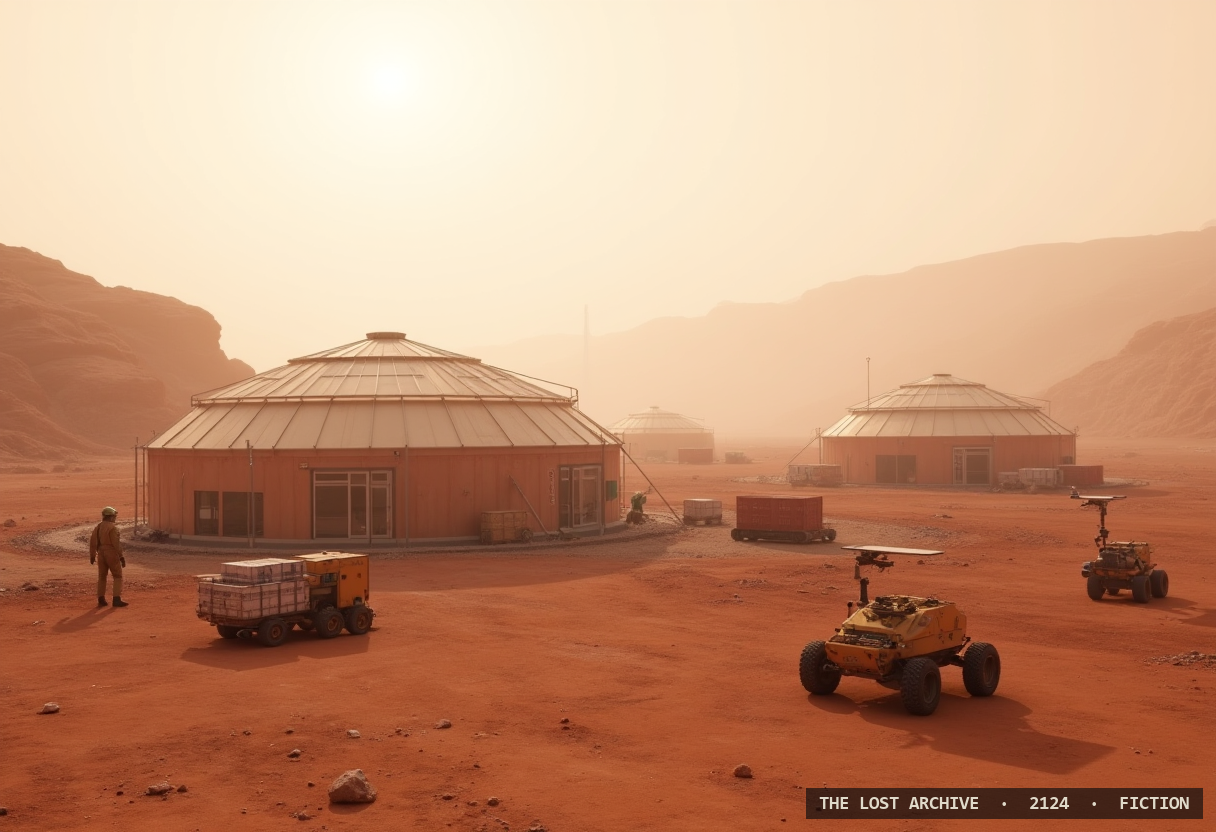
The communiqué signed in Geneva this week did not invent the idea that water has a price — it merely renegotiated one the century settled on decades ago, in a hurry, under duress. It is worth remembering how strange that settlement would have looked to our grandparents, for whom water was the thing that fell from the sky and ran from the wall, priced barely above the pipe that carried it. What changed was not the water but the certainty. The great droughts of the 2110s taught a crowded planet that supply was finite in a way abundance had let everyone forget, and once scarcity was undeniable the meter followed as night follows dusk: aquifers nationalized, abstraction rights auctioned, the survival liter separated — first in argument, now in treaty — from the liter you pay for. Every step was framed as emergency and hardened into architecture. This week's floor is the newest course laid on that wall. Historians will note the pattern: the century meets each shortage by pricing it, then congratulates itself on the discipline. What no ledger records is the older intuition, still muttered in every standpipe queue — that some things were never meant to have a price at all, and that a civilization reveals itself in what it finally agrees to sell.
By Dr. Nadia Brunstein · The Lost Archive, World Edition
A dispatch from The Lost Archive, the in-world newspaper of the year 2124 — a work of speculative fiction from The Legacy of the Lost.