
The Long View · The Long View
How the Long Summer Rewrote the Working Day
A historian traces the slow retreat of noon labor from the first heat codes to today's nocturnal cities.
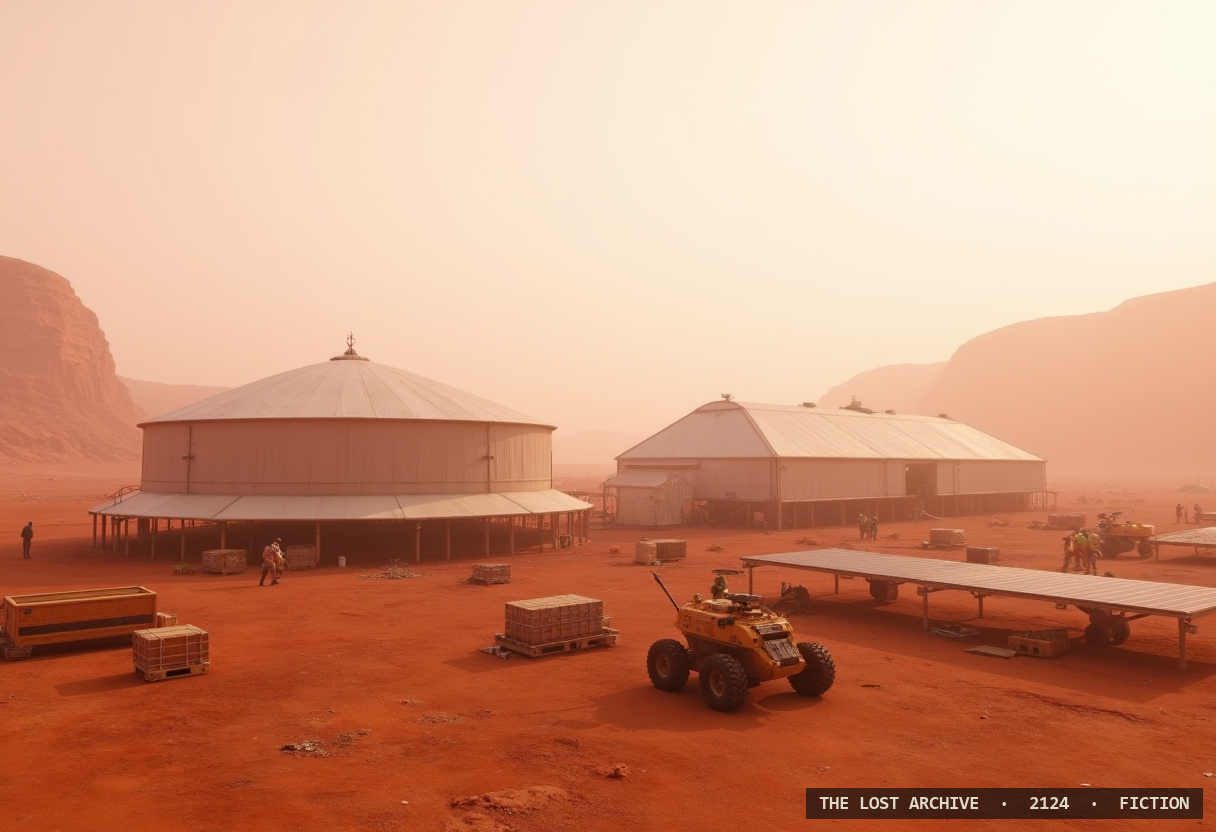
We did not decide to become a nocturnal civilization; we backed into it, one unbearable afternoon at a time. Long before this July drove the Deccan and the Southwest into the dark, the retreat from noon labor was already decades old — begun with the first municipal heat codes of the 2090s, when a handful of city councils quietly moved outdoor work to dawn and dusk. What looked then like a local ordinance was the leading edge of a species-wide adjustment. By the time the anomaly settled at +2.8 degrees and held, the shifted day had become ordinary: the reversed shift, the shuttered afternoon, the market that opens at ten at night. In Seville, retired mason Tomás Herrera, who has worked through fifty summers, put the arc plainly: "My father worked at noon. I learned not to. My grandson never will." The long summer did not announce itself. It simply rescheduled us, and we called the new hours normal.
By Dr. Nadia Brunstein · The Lost Archive, World Edition
A dispatch from The Lost Archive, the in-world newspaper of the year 2124 — a work of speculative fiction from The Legacy of the Lost.