
Grid & Fusion · Grid & Fusion
Grid Operators Lean on Fusion Through the Hottest Nights
With cooling demand at record highs, the baseload share that holds at roughly thirty percent is doing quiet, decisive work.
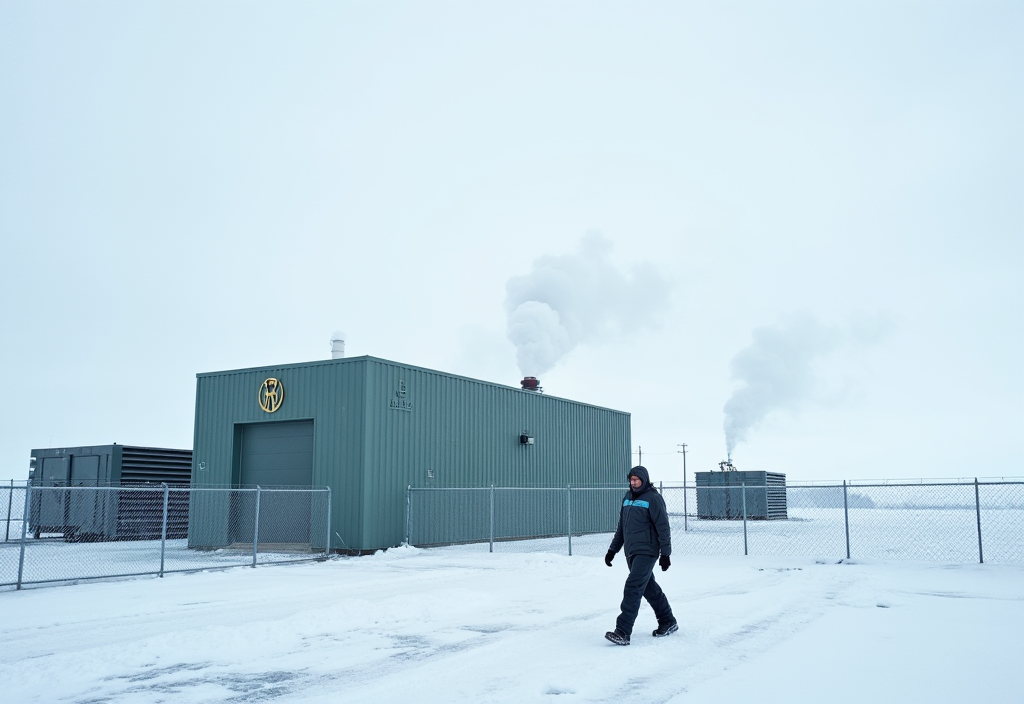
LAGOS — As the northern hemisphere grinds through peak cooling demand, the roughly thirty percent of the reconnected grid now supplied by commercial fusion is absorbing the strain that once triggered rolling blackouts. Aurora Fusion Works, whose next baseload block is deep in commissioning and expected online before summer's end, reported that its existing fleet ran near continuous output through this week's heat, when nighttime demand for cooling barely eased. "The old fear was the 2 a.m. peak in a heat wave," said Aurora chief executive Emeka Okonkwo in an operators' briefing. "Fusion does not care what hour it is." In Lagos, where the midnight football crowds also draw on the same wires, the utility credited steady fusion baseload with keeping the misting rigs and the floodlights alive together. The margin remains thin: at +2.8 degrees of warming, one delayed reactor or one hotter week could still close it. For now, the lights hold.
By Priya Anand · The Lost Archive, World Edition
A dispatch from The Lost Archive, the in-world newspaper of the year 2124 — a work of speculative fiction from The Legacy of the Lost.