
Waterline · Waterline
In Karachi, a Family Measures the Summer by the Height of the Pressure
The Makran taps still run — but the household keeps its own ledger of the margin.
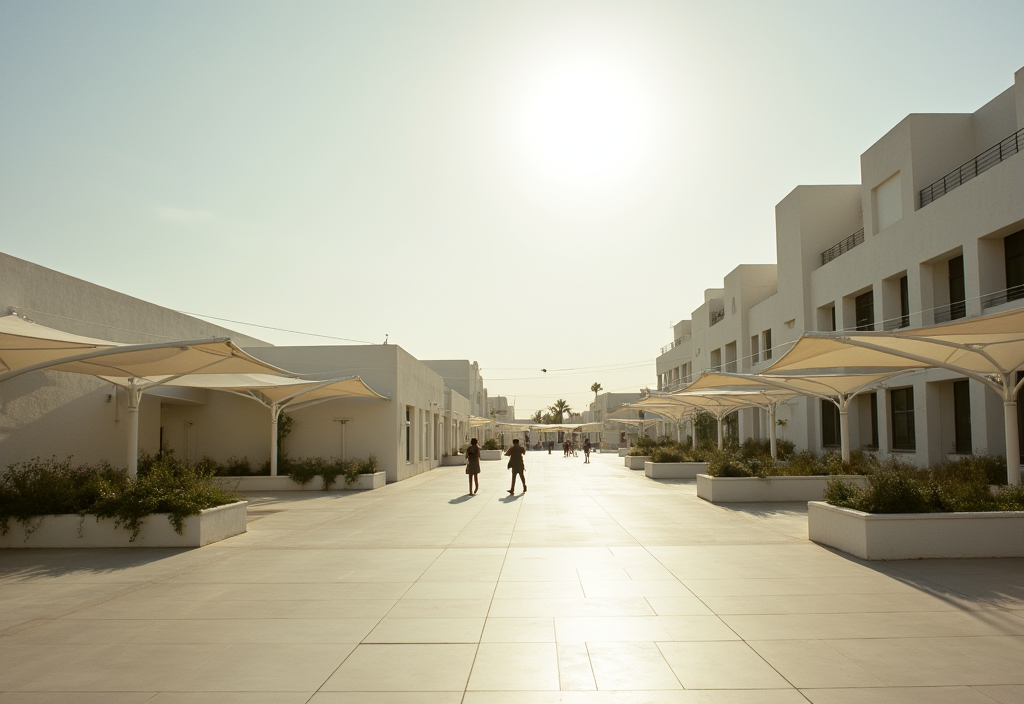
KARACHI — In the Siddiqui household on the eastern edge of the city, the day begins with a ritual older than any meter: the eldest daughter opens the tap, listens to how the water hits the steel pot, and announces the pressure the way another family might report the weather. Good today. Thin yesterday. The Makran desalination corridor has held through the summer, and the harshest rationing that gripped Karachi in the spring is gone — but no one in this house mistakes running water for guaranteed water. They keep their own ledger: every full vessel logged, every low-pressure hour noted, a private accounting run in parallel to the utility's official one because they learned, in the dry months, that the official one can change without warning. "The city says the crisis is over," says Nasreen Siddiqui, filling the last pot before the midday heat. "We say the crisis is quiet." It is the posture of a whole generation raised in the queues: grateful for the water, wary of the calm, always keeping a margin the meter cannot see. The taps run. The vigilance stays.
By Halvard Nkemelu · The Lost Archive, World Edition
A dispatch from The Lost Archive, the in-world newspaper of the year 2124 — a work of speculative fiction from The Legacy of the Lost.