
The Long View · The Long View
The Fusion Bargain: How the Grid Came Back
The century's quiet triumph, and the price it never quite named.
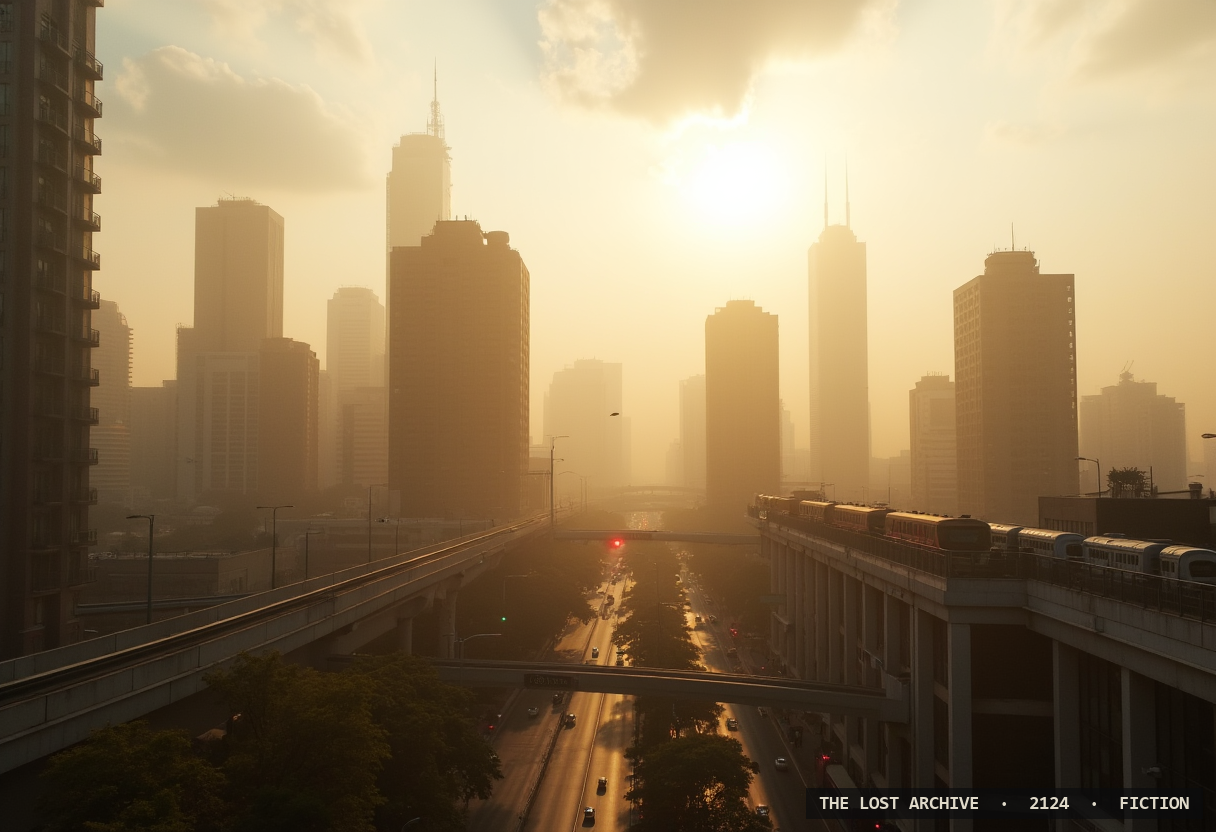
We tend to date the fusion age to a ribbon-cutting, but the record tells a slower, stranger story. The grid did not come back because the physics was finally solved; the physics had been all but solved for years while the money and the will hung fire. What broke the logjam was the thirst decade — the water riots that taught a panicked civilization it could, when frightened enough, pour a continent's wealth into a single problem and move it. Fusion inherited that machinery of fear. The first commercial reactors were financed in the same emergency register as the desalination corridors, by houses like Castellan Capital that had learned scarcity was the one thing markets never doubted. And so the grid was rebuilt — magnificently, unevenly — on the logic of the emergency that preceded it. The bargain was never stated aloud, but the reconstruction makes it plain: we bought reliability with urgency, and urgency, once purchased, is hard to give back. The lights came on. We are still learning what we agreed to.
By Dr. Anton Renner · The Lost Archive, World Edition
A dispatch from The Lost Archive, the in-world newspaper of the year 2124 — a work of speculative fiction from The Legacy of the Lost.